If you are drawn to historic homes, El Cid stands out for a reason. This West Palm Beach historic district offers a rare mix of architectural character, lakefront proximity, and enduring neighborhood fabric that still reads much as it did during its early growth. If you are considering a purchase here, it helps to understand both the charm and the practical realities of ownership. Let’s dive in.
Why El Cid Still Resonates
El Cid is a National Register historic district in West Palm Beach, roughly bounded by Flamingo Drive, South Flagler Drive, Dyer Road, and South Dixie Highway. Its development is closely tied to the Florida land boom of the 1920s and to its location near downtown and the western shore of Lake Worth.
That setting matters today. Along South Flagler Drive, the district has an Intracoastal-adjacent feel, and its historic street and block pattern gives it a distinctly established character. Instead of feeling like a later subdivision, El Cid reads as a cohesive prewar residential neighborhood.
El Cid Architecture at a Glance
El Cid is often associated with Mediterranean Revival architecture, and that is a fair starting point. The district is especially noted for the quality and variety of its Mediterranean Revival homes.
Still, the neighborhood is not defined by a single style. The historic record also identifies Mission-style homes, Monterey houses, Colonial Revival examples, two bungalows, late vernacular residences from the late 1930s to early 1940s, and Art Moderne influences. For buyers, that means El Cid is best understood as layered rather than uniform.
Mediterranean Revival Features
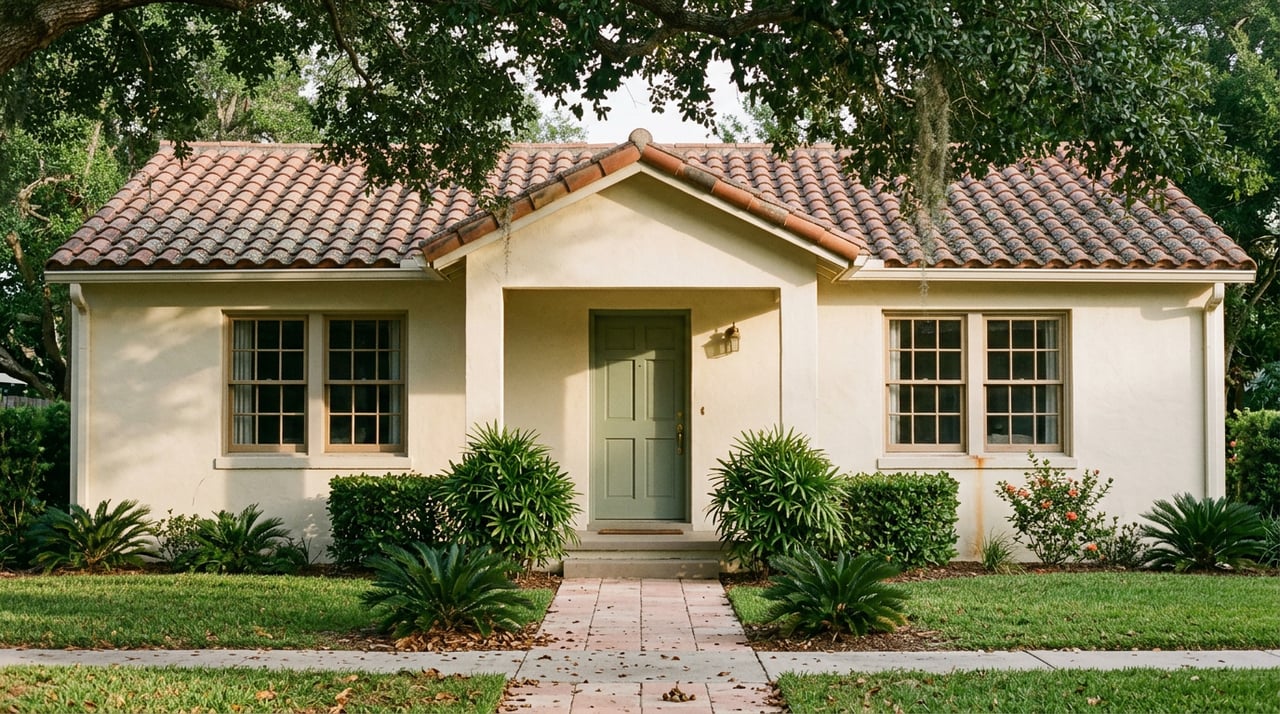
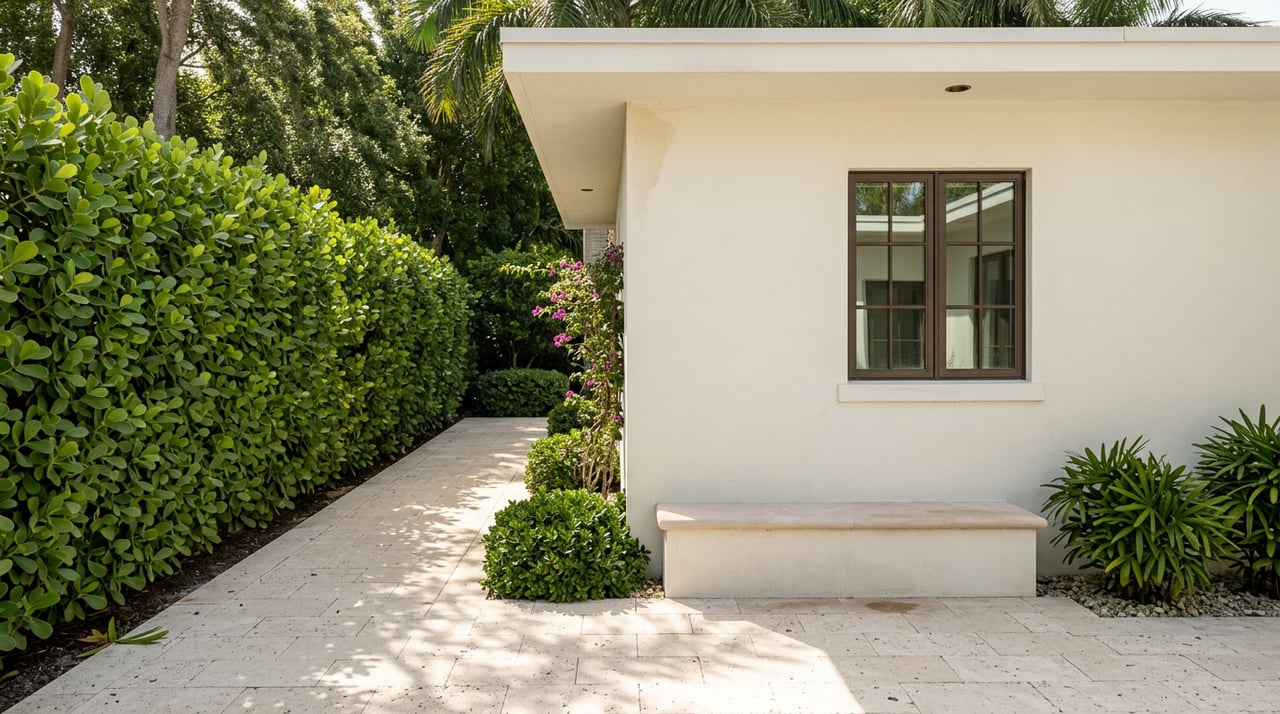
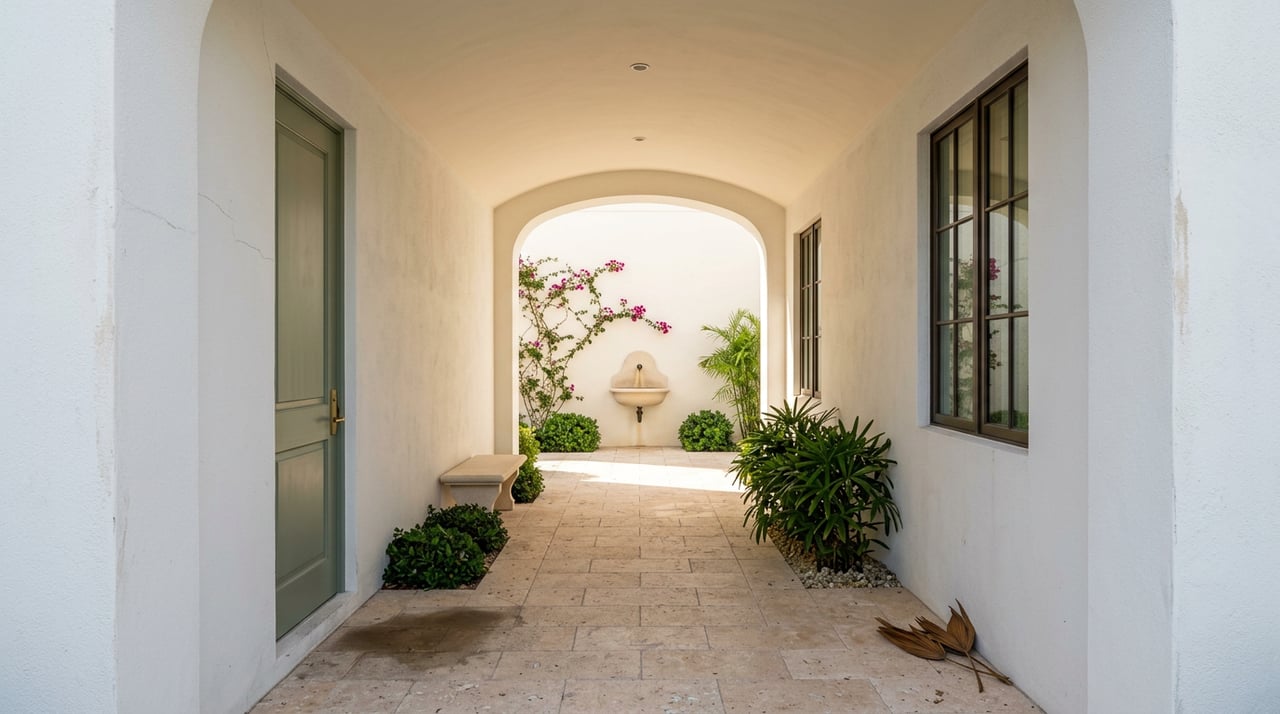
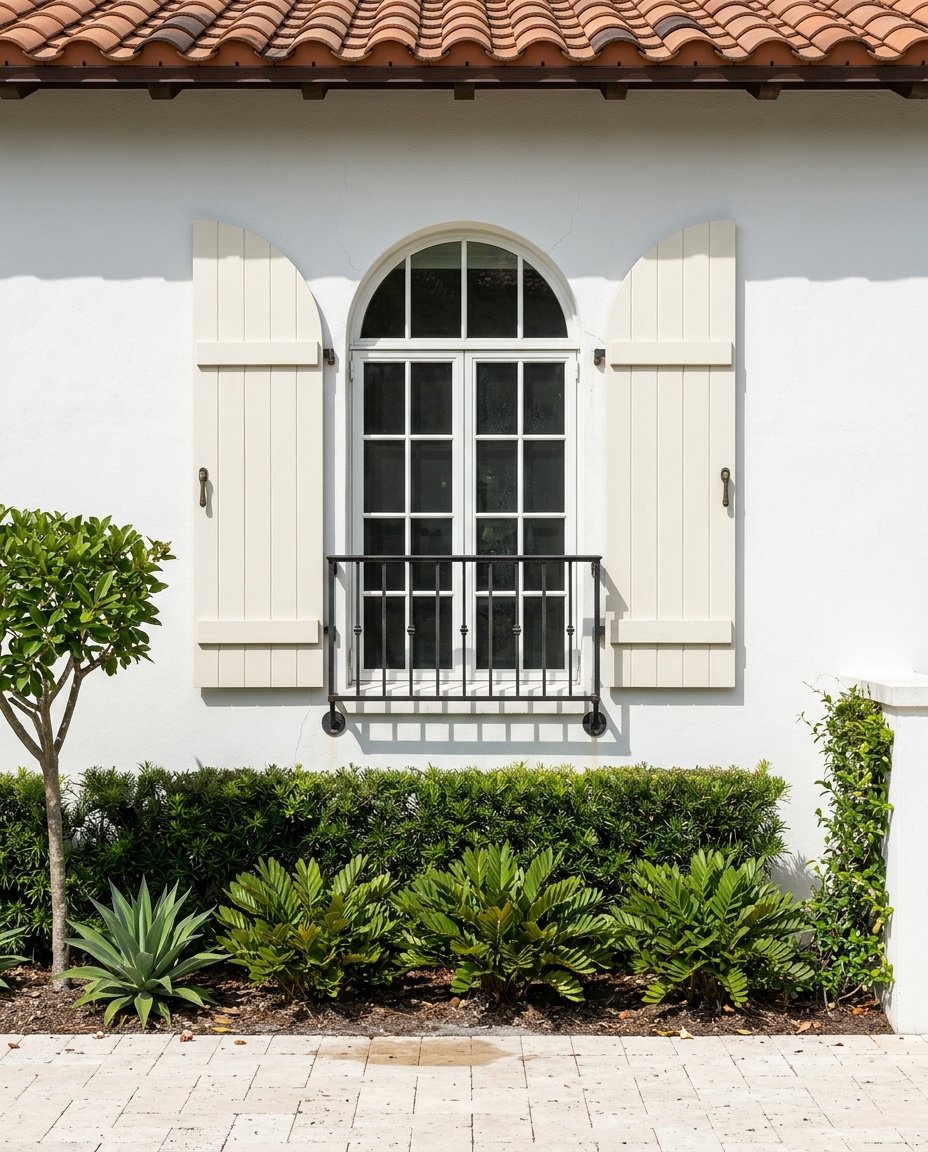
Many buyers picture Florida historic homes as white or light stucco houses with tile roofs and arches. In El Cid, that visual language is common.
Typical Mediterranean Revival cues include:
- Low-pitched tile roofs
- Stucco exterior walls
- Arched porches or loggias
- Spanish-influenced massing and detailing
These elements help explain why so many homes in El Cid feel warm, textured, and visually tied to South Florida’s historic design traditions.
Other Styles You May See
Mission-style homes often appear a bit simpler in form. They are commonly recognized by shaped parapets and arched openings.
You may also encounter homes with Colonial Revival, Monterey, bungalow, or later vernacular features. That range is part of the district’s appeal, especially if you value a streetscape with variation instead of repetition.
What Historic Designation Means for Owners
Owning in a historic district can be rewarding, but it does come with a process. West Palm Beach has a formal historic preservation review system, and exterior approval is required before permits may be issued for proposed exterior work.
The city reviews all exterior sides of a property, including rear and side elevations. Depending on the project, some smaller additions may be handled at the staff level based on their size and visibility.
Interior Work Is Different
One point that often surprises buyers is that interior remodeling is not reviewed by the city’s historic preservation process. If your plans are focused inside the home, the path may be more straightforward from a preservation review standpoint.
That said, if your project affects the exterior envelope, expect review to be part of the process. Knowing that distinction early can help you plan more effectively.
Exterior Changes Need Careful Planning
The city identifies several exterior items as common review points. These include roofs, windows, cladding, fences, and similar visible features.
The city’s guidance also notes a few important compatibility points:
- Vinyl is generally not permitted in windows or fences
- Wood or aluminum fencing is allowed
- Metal roofs are not considered compatible with Mission or Spanish Revival houses
- Original wood windows should be repaired when possible
For a buyer, these details matter because they can affect both renovation scope and timeline. A house that appears to need only cosmetic work may also require more careful planning if visible exterior elements need replacement.
Additions and Demolition Rules
If you are thinking about expanding a historic home, placement and scale are important. The city generally advises that additions go to the side or rear, remain smaller than the main house, and be differentiated from the original structure.
Demolition is another major issue. The city generally does not support demolition of contributing properties, which makes it especially important to confirm a home’s status and assess its condition before closing.
Routine Maintenance Versus Reviewed Work
Not every task triggers historic review. Routine maintenance that does not require a permit, such as painting or minor exterior repair, generally does not need added historic approval.
There are also site elements that many buyers do not realize may be reviewed. Landscaping itself is not subject to review, but walls, fences, decks, patios, pergolas, and sheds are. If your vision includes outdoor upgrades, that distinction is worth understanding from the start.
Smart Purchase Tips for El Cid Buyers
A historic home purchase is rarely just about finishes and floor plans. In El Cid, your due diligence should include the house’s preservation profile as well as its general condition.
A focused review during the offer period can help you avoid surprises later.
Prioritize These Inspections and Questions
When evaluating a property in El Cid, pay close attention to:
- Roof condition and expected remaining life
- Original window condition and repairability
- Stucco or masonry condition
- Whether prior exterior work appears to have received approval
- Whether planned changes are likely to require city review
These are practical pressure points because roofs and windows are specifically flagged in the city’s historic guidance. If either system needs major work, you will want a clear understanding of cost, compatibility, and timing.
Consult Preservation Expertise Early
If you expect to renovate, it is wise to involve a preservation professional early in the planning stage. The preservation standards referenced by the city emphasize case-by-case decisions and compatibility with the historic building.
In practical terms, early planning can help you avoid redesigns, delays, or choices that are unlikely to be approved. That is especially valuable in a neighborhood where architectural integrity is part of the long-term appeal.
Flood and Insurance Review Matter Here
Because El Cid sits in coastal West Palm Beach, flood-zone and insurance review should be part of your purchase process. The City of West Palm Beach advises buyers to know their flood zone and notes that standard homeowners insurance typically does not cover flood damage.
The city also provides parcel-level flood information through its Forerunner map. In addition, the city states that NFIP policies in West Palm Beach receive a 25% CRS discount.
For buyers, this means flood diligence is not a box to check at the end. It is something to evaluate early, alongside inspections, renovation plans, and overall carrying costs.
Tax and Efficiency Considerations
Historic ownership can come with a few benefits, but the details matter. The City of West Palm Beach states that there is currently no direct financial assistance for private homeowners.
However, the city’s ad valorem program can exempt increases in taxes tied to qualified historic improvements for up to 10 years. The exemption applies to improvements, not land value, and the application must be made before work begins.
What Buyers Should Know
A few additional points can shape your planning:
- Florida law authorizes local historic tax exemptions for increases in assessed improvements
- The federal 20% rehabilitation tax credit applies only to income-producing properties, not owner-occupied homes
- Contributing historic buildings are exempt from Florida’s existing-building energy requirements
- Sensitive efficiency upgrades such as storm windows, insulation, and air-sealing are considered appropriate
The city also states that historic designation itself has not been found to hurt property values. It further notes that some insurers specialize in historic homes, which may be useful if you are comparing coverage options.
Why Buyers Work With Local Advisors
In a neighborhood like El Cid, buying well means looking beyond surface appeal. You need to understand architectural style, city review procedures, flood and insurance implications, and the likely cost of preserving important exterior features.
That is where local market knowledge becomes especially valuable. A strategic advisor can help you evaluate not just whether a home is attractive, but whether it aligns with your goals, timeline, and ownership plans.
If you are exploring historic homes in West Palm Beach, Elizabeth DeWoody brings a data-driven, discreet approach to coastal luxury real estate and can help you assess opportunities with clarity and confidence.
FAQs
What makes El Cid historic in West Palm Beach?
- El Cid is a National Register historic district with development tied largely to the 1920s land boom, and it retains a strong prewar residential character.
What architectural styles are found in El Cid homes?
- El Cid is best known for Mediterranean Revival homes, but the district also includes Mission-style, Monterey, Colonial Revival, bungalow, late vernacular, and Art Moderne examples.
Do El Cid homeowners need approval for exterior changes?
- Yes. In West Palm Beach historic districts, exterior approval is required before permits may be issued for proposed exterior work.
Can you remodel the interior of a historic El Cid house?
- Yes. The City of West Palm Beach states that interior remodeling is not reviewed through the historic preservation process.
What should buyers inspect when purchasing an El Cid historic home?
- Buyers should closely review roof condition, original window repairability, stucco or masonry condition, and whether previous exterior work appears to have been properly approved.
Are flood and insurance checks important for El Cid buyers?
- Yes. Because El Cid is in coastal West Palm Beach, buyers should review flood-zone information early and confirm flood insurance needs and costs during the offer period.
Are there tax benefits for improving a historic home in West Palm Beach?
- Potentially. The city’s ad valorem program can exempt increases in taxes tied to qualified historic improvements for up to 10 years if the application is made before work begins.