If you are looking at Northwood in West Palm Beach, the biggest opportunity may not be speed. It may be patience. For buyers who value location, historic housing stock, and long-term repositioning potential, Northwood offers a more nuanced story than a simple up-and-coming headline. In this guide, you will see where the long-term case is strongest, what risks deserve careful underwriting, and how to evaluate the area with discipline. Let’s dive in.
Why Northwood Deserves a Closer Look
Northwood is not one uniform neighborhood. In practice, it is a north-end cluster that includes the Old Northwood Historic District along with the broader Northwood/Pleasant City CRA area, which also covers Northwood Village, the Broadway Corridor, the Currie Corridor, Pleasant City, and an industrial area.
That matters because your buying decision should start with the exact subarea and parcel, not the name alone. A property in the historic district can present a very different ownership path from a site closer to a commercial corridor or a nonresidential stretch.
Old Northwood's Historic Foundation
Old Northwood is a 22-block residential historic district north of downtown, bounded by North Dixie Highway, Broadway, 26th Street, and 35th Street. The district contains 435 buildings, including 320 contributing resources and 115 noncontributing buildings.
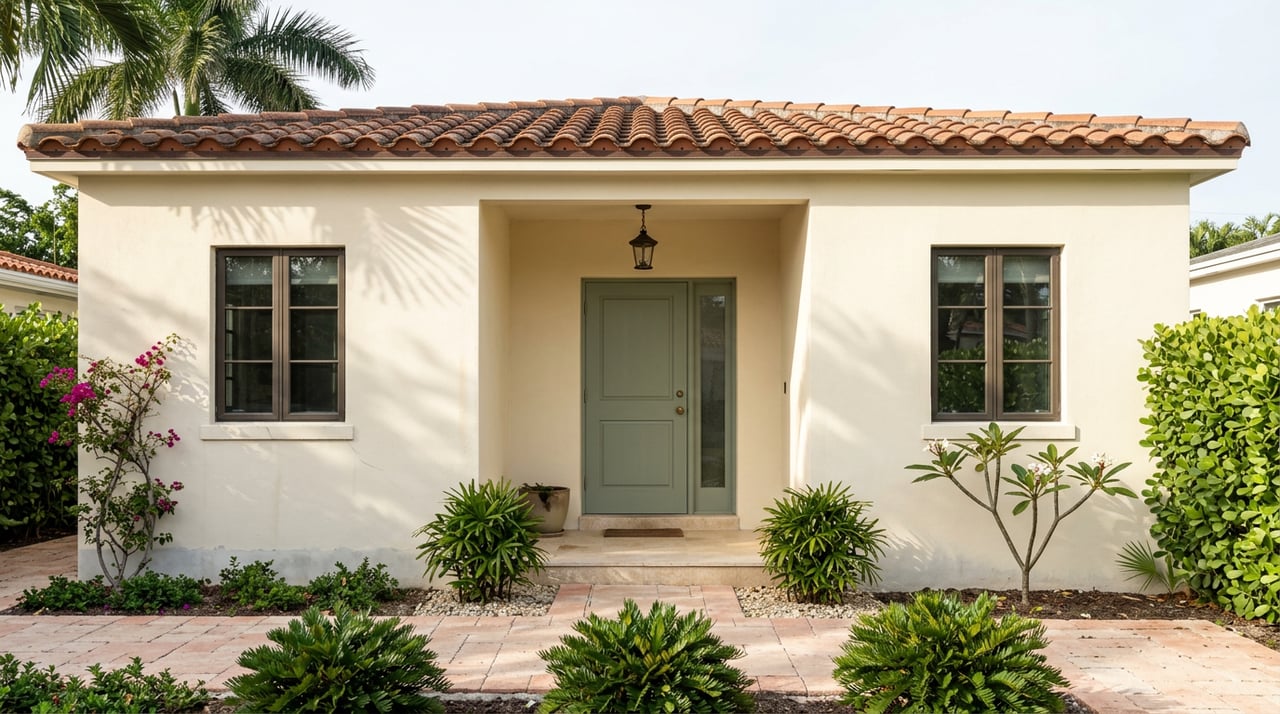
Most of the contributing structures were built between 1921 and 1926. The area is defined primarily by one- and two-story single-family homes, plus accessory structures like garages and garage apartments.
For buyers, that older housing stock is part of the appeal and part of the work. These are not plug-and-play assets by default. They often require a closer read on condition, layout, deferred maintenance, and renovation strategy.
Architecture Adds Character and Complexity
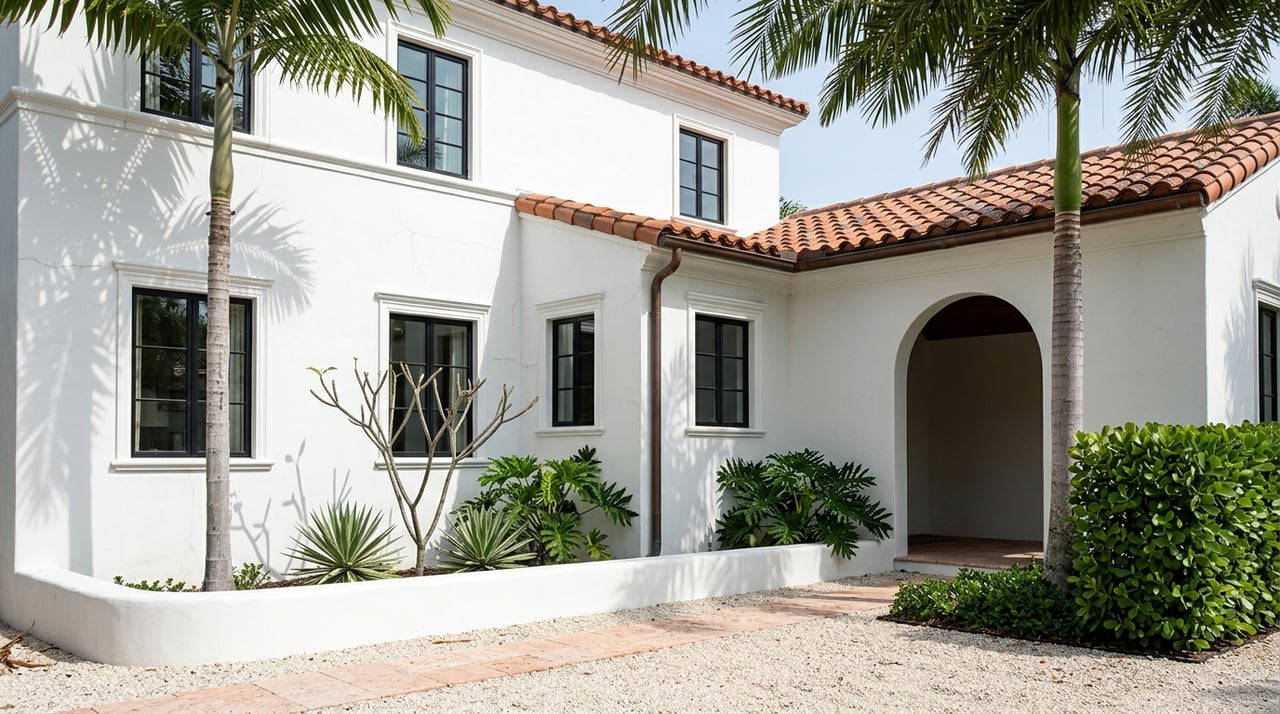
About 35% of residences in the historic district show some variation of Mediterranean Revival architecture. You will also find Mission-influenced homes, Bungalows, Colonial Revival, Neoclassical, Art Moderne, and vernacular structures.
That variety supports Northwood’s character and long-term charm. It also means property-by-property analysis matters. Two homes on nearby blocks can have very different renovation demands, historical significance, and cost profiles.
Alley Access and Garage Apartments Matter
Many original lots were platted at roughly 50 by 125 feet, with consistent setbacks, sidewalks, mature vegetation, and alley access. That lot pattern can create flexibility that later subdivisions often do not offer.
Still, flexibility is not the same as certainty. If a property includes a garage apartment or accessory structure, you will want to verify condition, use, and legality parcel by parcel before making assumptions about future value or utility.
Why Contributing Status Matters
In Northwood, one of the most important distinctions is whether a property is contributing or noncontributing within the historic district. In the National Register nomination, noncontributing buildings were generally those built after 1942 or older structures whose historic integrity had been significantly altered.
This is a major point for disciplined buyers. Northwood tends to function more like a preservation-and-rehab market than a teardown market.
Contributing Homes
Contributing properties often carry stronger historic character and can benefit from the broader appeal of preserved streetscapes. They may be attractive to buyers who value authenticity and are prepared to renovate within preservation guidelines.
At the same time, exterior changes in historic districts require a Certificate of Appropriateness from the City of West Palm Beach. Demolition also requires Historic Preservation Board review.
Noncontributing Properties
Noncontributing buildings may offer more room for repositioning, especially if they have already been altered over time. That can create opportunity for buyers who are comfortable with planning, approvals, and construction risk.
Even so, this is not a market for loose assumptions. The upside in Northwood tends to come from careful execution, not unrestricted redevelopment.
Renovation Economics Require Discipline
The City of West Palm Beach says its historic preservation program maintains historic districts through design review and guidance. Owners also cannot opt out of a local historic district once it is established.
That framework should shape your numbers from the start. If you are underwriting a purchase in Northwood, plan for approval timelines, preservation standards, and the reality that your renovation path may be more structured than it would be in a non-historic setting.
A Useful Tax Consideration
The city states that qualifying historic-property improvements may receive a local ad valorem exemption for up to 10 years. For the right buyer, that may help support a long-term ownership strategy.
However, the city also says direct rehabilitation assistance for private homeowners is not currently available. In other words, buyers should not count on public rehab funding to make the deal work.
The Commercial Story Is Still Evolving
Northwood’s long-term potential is not only about housing stock. It is also tied to the commercial and public investment story unfolding around Northwood Village and nearby corridors.
The Northwood/Pleasant City CRA covers about 459 acres. The city describes Northwood Village as the only true business corridor and town center for the north end of West Palm Beach.
Northwood Village Has an Active Public Plan
City planning documents point to a continued focus on incentives, facade improvements, business support, and a future business-improvement-district structure. Northwood Road, 24th Street, and 25th Street form the village’s main street network.
Northwood Road was renovated in 2003 with traffic calming, benches, landscaping, and decorative trellises. The city also identifies mixed-use along North Dixie Highway, redevelopment of underperforming parcels, and a Northwood Road extension toward Currie Park as priorities.
Development Pipeline Supports the Long View
Current projects add weight to the long-term thesis. The District at Northwood is a 3.7-acre mixed-use project with 382 apartments, about 63,000 square feet of commercial space, 10% workforce housing, and a 10,000-square-foot public plaza. Construction began in February 2024.
The city also describes The Spruce as an eight-story, 270-unit mixed-use project with street-level retail and a 351-space parking structure. It is located just over a mile north of downtown.
These projects do not guarantee outcomes for every block. What they do suggest is that Northwood sits within an active reinvestment corridor rather than a static one.
Parking and Safety Are Real Variables
Disciplined buyers should pay attention to what is still unresolved. In June 2026, the city was studying a Northwood Village Parking Plan to assess current conditions and future demand.
That is a useful signal. It suggests parking remains an active operational issue, especially as more mixed-use development comes online.
Public safety remains part of the management picture as well. In May 2026, the CRA added patrols and approved a CCTV grant program for Northwood Village and the Broadway Corridor, with $120,000 approved for new cameras.
For a long-term owner, these are not reasons to avoid the area. They are reminders to underwrite with realism and to distinguish between a neighborhood with momentum and a neighborhood with every issue already solved.
Location Is One of Northwood's Best Assets
Northwood’s position relative to downtown West Palm Beach is one of its clearest structural advantages. The city says The Spruce is just over a mile north of downtown and near multiple multimodal transit hubs and Palm Beach County’s largest employment center.
That broader access matters because neighborhood performance is rarely driven by one street alone. It is often shaped by how easily residents can connect to employment, services, and the larger city.
Transit Connectivity Supports the Area
Tri-Rail’s West Palm Beach Station at 203 South Tamarind Avenue connects to Palm Tran routes 1, 2, 20, 31, 40, 41, 43, 44, and 60. Tri-Rail also notes a free fixed-route shuttle around downtown West Palm Beach plus on-demand Circuit service in the downtown area.
For buyers thinking long term, that connectivity can support demand even when individual properties require work. It strengthens the case that Northwood benefits from more than just historic charm.
The Broader West Palm Beach Growth Story Helps
The citywide backdrop also matters. West Palm Beach’s estimated population reached 127,189 on July 1, 2025, which was up 8.4% from the 2020 base.
At the same time, the city’s downtown master plan update says growth has accelerated over the past five years. That has brought renewed emphasis on main streets, transportation, public space, resiliency, and waterfront investment.
For Northwood buyers, this bigger picture is important. Long-term value may be shaped as much by downtown momentum and city investment patterns as by any one renovation on a single block.
How to Compare Northwood Correctly
Northwood should be analyzed within a broader historic-preservation ecosystem. The city’s GIS historic-district layer includes Old Northwood, Northwood Harbor, Northwood Hills, Northwood Road, West Northwood, Northboro Park, Northwest, El Cid, Flamingo Park, Grandview Heights, Mango Promenade, Prospect/Southland Park, Vedado-Hillcrest, Sunshine Park, Belair, and St. Anns.
That does not mean all of these are direct substitutes. It does mean Northwood is part of a dense network of historic districts, and buyers should compare accordingly.
Best Primary Comparables
The most relevant comparables are typically:
- Old Northwood
- Northwood Harbor
- Northwood Hills
- Northboro Park
- West Northwood
These areas share similar age, preservation oversight, and nearby infill dynamics.
Better as Secondary Context
El Cid, Flamingo Park, and Grandview Heights can be useful for broader downtown-adjacent historic context. However, they sit in a different submarket and are generally better used as secondary references rather than direct substitutes.
What Disciplined Buyers Should Prioritize
If you are considering Northwood for long-term potential, a disciplined framework matters more than a quick narrative. The strongest opportunities are often not the flashiest ones.
Based on the neighborhood structure, public plans, and preservation framework, buyers may want to focus on:
- Well-kept contributing homes with strong original character
- Restored properties that are still somewhat under-improved relative to their potential
- Selected noncontributing sites where value depends on execution, not hype
- Parcels where parking, accessory structures, and renovation scope have been carefully verified
- Purchases that can absorb a longer hold period and conservative renovation assumptions
The Bottom Line on Northwood
Northwood can make sense for buyers who value location, historic character, and corridor improvement potential, but it rewards discipline more than speculation. The case for long-term upside is strongest when you buy with clear eyes about approvals, renovation costs, parking realities, and holding timelines.
In a market like this, careful underwriting is the advantage. If you approach Northwood as a patient, parcel-specific opportunity rather than a one-size-fits-all trend story, you are more likely to make a smart long-term decision.
If you want a data-driven perspective on Northwood and the broader West Palm Beach market, Elizabeth DeWoody offers strategic guidance tailored to buyers seeking long-term value, thoughtful positioning, and informed execution.
FAQs
What is Northwood in West Palm Beach?
- Northwood is a north-end cluster in West Palm Beach that includes the Old Northwood Historic District and the broader Northwood/Pleasant City CRA area, which also covers Northwood Village, the Broadway Corridor, the Currie Corridor, Pleasant City, and an industrial area.
What makes Old Northwood different from other areas in Northwood?
- Old Northwood is a 22-block residential historic district with a large concentration of homes built between 1921 and 1926, plus preservation oversight that can affect renovation, exterior changes, and demolition.
What does contributing status mean for a Northwood property?
- In the historic district, a contributing property is one that retains historic significance and integrity, while a noncontributing property is typically newer or has been significantly altered, which can affect renovation strategy and approval requirements.
What approvals may matter when renovating in Northwood West Palm Beach?
- The City of West Palm Beach says exterior changes in a historic district require a Certificate of Appropriateness, and demolition requires Historic Preservation Board review.
What public investment is happening around Northwood Village?
- The area is seeing active planning and development, including the District at Northwood, The Spruce, corridor improvement priorities, a parking study, and CRA-backed safety initiatives.
Why do disciplined buyers look at Northwood for long-term potential?
- Buyers are often drawn to Northwood because of its historic housing stock, proximity to downtown, access to transit, active reinvestment plans, and the possibility of long-term upside through careful acquisition and execution.