Looking for a West Palm Beach neighborhood that feels both established and connected? El Cid stands out for its historic character, waterfront access, and close relationship to downtown culture. If you want to understand what day-to-day life here actually feels like, this guide will walk you through the streetscape, lifestyle, and practical considerations that shape everyday living. Let’s dive in.
El Cid at a Glance
El Cid is a primarily residential historic district in West Palm Beach, roughly bounded by Flamingo Drive, South Flagler Drive, Dyer Road, and South Dixie Highway. The district was added to the National Register of Historic Places on August 31, 1995, with 281 contributing structures and a period of significance from 1921 to 1945.
That history is more than a footnote. It shapes the way the neighborhood looks and feels today, with a preserved early- to mid-20th-century streetscape that gives El Cid a clear sense of identity. You are not stepping into an area defined by constant teardown-and-rebuild activity. You are stepping into a neighborhood with continuity.
Historic Character Defines Daily Life
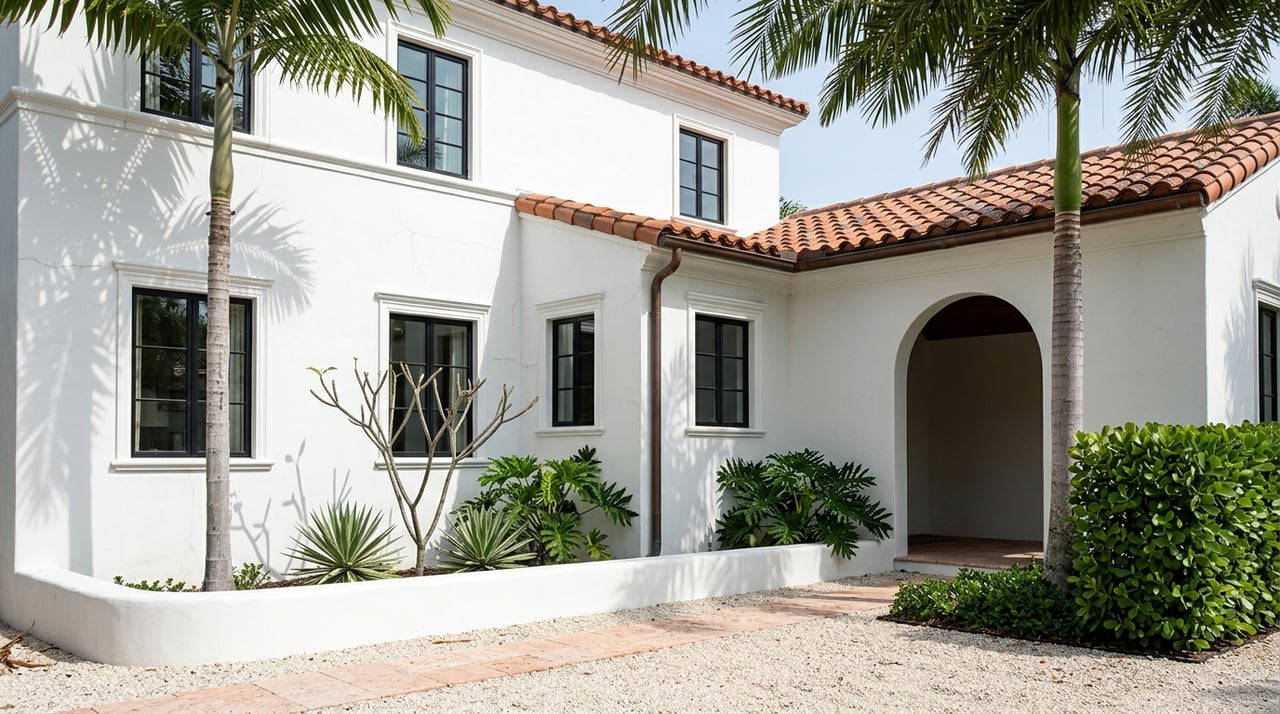
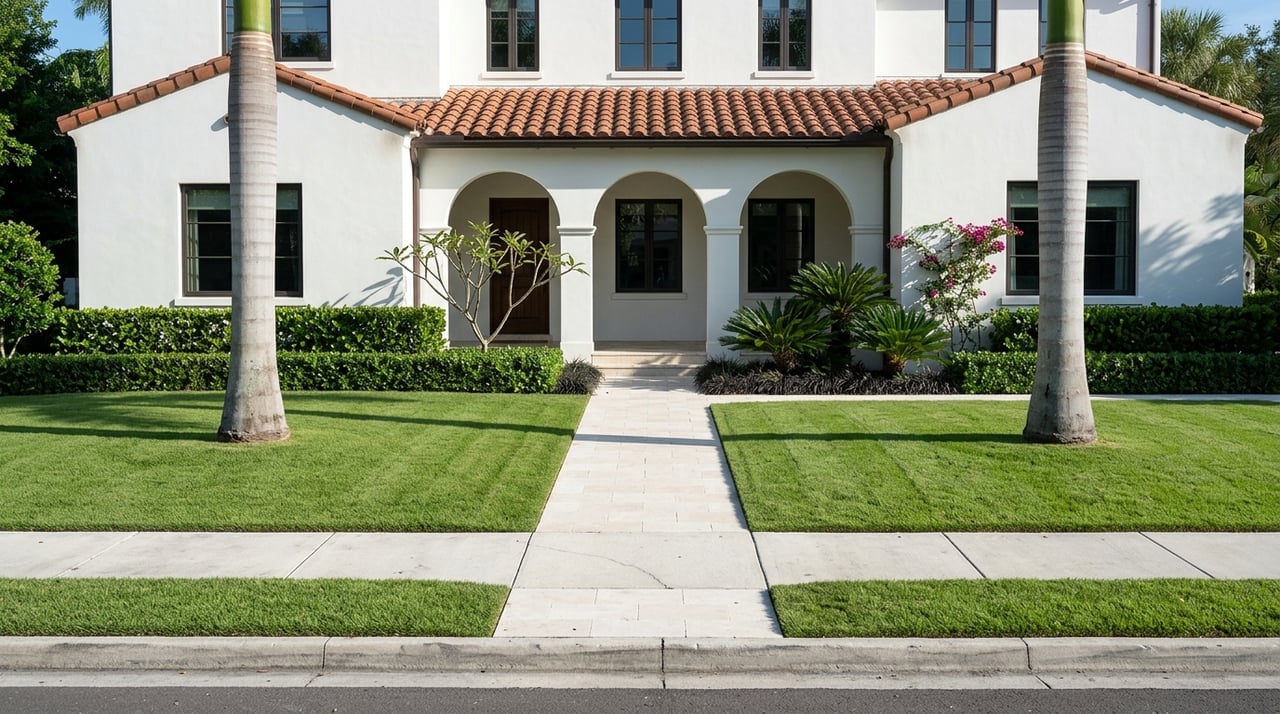
One of El Cid’s biggest draws is its architectural consistency. The most common style in the district is Mediterranean Revival, which accounts for 113 of the 281 contributing structures, or about 40 percent of the district.
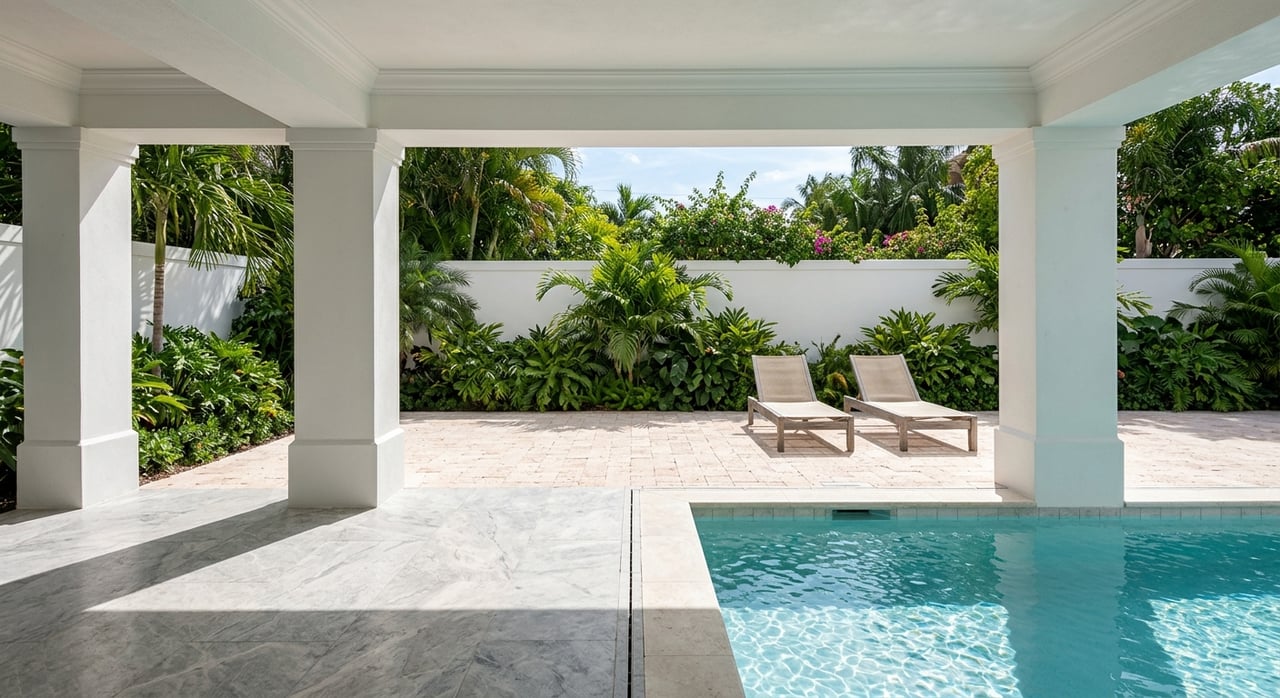
As you move through the neighborhood, you will notice details that give El Cid its visual rhythm: stucco walls, barrel-tile roofs, arched openings, balconies, wrought iron, and shaped parapets. Other styles, including Mission, Monterey, Colonial Revival, and Moderne, add variety without disrupting the overall cohesion.
That balance is part of what makes the area memorable. The neighborhood feels curated over time rather than manufactured all at once. For buyers who appreciate architecture, that can make everyday routines feel a little more distinctive.
Architecture With Local Legacy
El Cid’s identity is also tied to the work of notable Palm Beach-era architects and builders. The historic district nomination notes the presence of work associated with Maurice Fatio, Marion Sims Wyeth, and Belford Shoumate.
That helps explain why the neighborhood feels layered rather than repetitive. You get a strong architectural theme, but not a one-note streetscape. For many residents, that translates into a richer living experience, where even a short walk can reveal thoughtful design and period detail.
Waterfront Access Shapes the Rhythm
A major part of everyday living in El Cid is its proximity to the West Palm Beach Waterfront along South Flagler Drive. The city describes this area as a place to bicycle, rollerblade, or take an easy stroll along the Intracoastal, with benches, docks, and wide water views.
In practical terms, that means the waterfront can become part of your normal routine. Morning walks, evening dog outings, or a quick reset by the water do not need to be planned as special events. They can simply be part of the day.
The city’s planning documents also emphasize maintaining pedestrian connectivity to the Flagler Waterfront and preserving historically significant structures and open spaces. That reinforces the appeal of El Cid as a neighborhood where outdoor access and historic character work together.
Quiet Streets, Active Surroundings
One of the strengths of El Cid is its balance. Inside the neighborhood, the atmosphere is primarily residential and calm. Just beyond it, the waterfront and downtown areas create a more active public setting.
The West Palm Beach Waterfront includes civic gathering spaces such as the Lake Pavilion and Terrace, which the city says are used for art exhibitions, weddings, business meetings, civic ceremonies, and other events. That gives the area a social dimension without requiring you to live in the middle of a commercial corridor.
The city’s event calendar adds to that rhythm. Public events like 4th on Flagler and the long-running Clematis by Night concert series contribute to a lifestyle that can feel peaceful most days and more animated on evenings, weekends, and holidays.
Dining, Shopping, and Culture Nearby
Living in El Cid also means you are well placed for some of West Palm Beach’s established shopping, dining, and cultural districts. The city highlights areas such as The Square, Clematis Street, Antique Row, and Northwood Village as part of its broader entertainment and retail landscape.
For El Cid specifically, Antique Row is especially relevant. Located on South Dixie Highway just south of downtown, it is described as a walkable district with more than 40 antique shops, galleries, and specialty stores, along with nearby restaurants and cafés.
That kind of proximity can shape your week in small but meaningful ways. A coffee run, a design browse, or dinner nearby can feel easy rather than planned. For buyers who value connected urban living, that convenience is part of the neighborhood’s appeal.
Arts and Garden Experiences Close to Home
El Cid has a strong relationship to arts and garden culture, and the Ann Norton Sculpture Gardens is one of the clearest examples. Located at 253 Barcelona Road, the site includes a house built in 1925 and later redesigned in Monterey Revival style by Marion Sims Wyeth.
Today, it also functions as a public sculpture garden with a two-acre landscape of rare palms, cycads, tropical plants, and monumental sculptures. For residents, it is a reminder that El Cid is not only residential and historic. It is also part of a broader cultural setting.
Other nearby institutions strengthen that point. The Norton Museum of Art on South Dixie Highway and the Kravis Center for the Performing Arts near downtown make it easy to build art, exhibitions, and performances into your routine.
What Historic District Status Means
If you are considering a move to El Cid, it is important to understand how historic preservation affects ownership. West Palm Beach states that all historically designated properties and all properties within historic districts undergo review for exterior modifications, additions, demolition requests, and new construction.
The city also says the purpose of designation is to retain original historic material while keeping structures comfortable and useful for modern living. For contributing properties, demolition is generally not supported, and any demolition request must be paired with compatible new construction.
This is one of the most important practical realities for buyers. If you value preserved architecture and a stable streetscape, the oversight can be a benefit. If you are looking for complete freedom to rework a property’s exterior character, the framework may feel more restrictive.
Who El Cid Often Appeals To
El Cid tends to resonate with buyers who want more than square footage alone. The neighborhood offers historic architecture, access to the waterfront, and close proximity to downtown destinations in a setting that still feels residential.
It can be a strong fit if you appreciate old-house charm, enjoy being near arts and dining districts, and want a neighborhood where walking and outdoor time are built into the environment. It may be less aligned with buyers who want a blank-slate property with minimal design or preservation constraints.
In that sense, El Cid is best understood as an urban historic neighborhood with a specific personality. The people who connect with it usually do so quickly.
Why El Cid Stands Out in West Palm Beach
West Palm Beach is known for palm-lined streets, waterfront views, scenic neighborhoods, and year-round outdoor events. El Cid brings many of those qualities together in one place, but with a particularly strong architectural identity.
What sets it apart is the combination of preserved homes, walkable access to the Intracoastal, and closeness to downtown culture. You get a neighborhood with visual character and local texture, along with the convenience of being connected to the city’s waterfront and cultural core.
For buyers seeking a home that supports both beauty and routine, El Cid offers a distinctive version of West Palm Beach living.
If you are considering a move in West Palm Beach and want a strategic, informed view of neighborhoods like El Cid, Elizabeth DeWoody can help you evaluate the fit with clarity and discretion.
FAQs
What is the El Cid neighborhood in West Palm Beach known for?
- El Cid is known for its historic district status, preserved architecture from 1921 to 1945, strong Mediterranean Revival presence, and proximity to the West Palm Beach Waterfront and downtown cultural destinations.
What is everyday living like in El Cid, West Palm Beach?
- Everyday living in El Cid often includes quiet residential streets, easy access to waterfront walks along South Flagler Drive, and convenient proximity to dining, shopping, arts, and public events in nearby downtown West Palm Beach.
What architectural styles are found in El Cid, West Palm Beach?
- El Cid features several early- to mid-20th-century styles, with Mediterranean Revival as the most common, along with Mission, Monterey, Colonial Revival, and Moderne architecture.
What should buyers know about owning a home in El Cid’s historic district?
- Buyers should know that exterior modifications, additions, demolition requests, and new construction within El Cid’s historic district are subject to City of West Palm Beach review, which helps preserve the neighborhood’s historic character.
What is near El Cid in West Palm Beach?
- Near El Cid, you will find the West Palm Beach Waterfront, Antique Row, the Norton Museum of Art, the Kravis Center for the Performing Arts, and downtown districts such as Clematis Street and The Square.