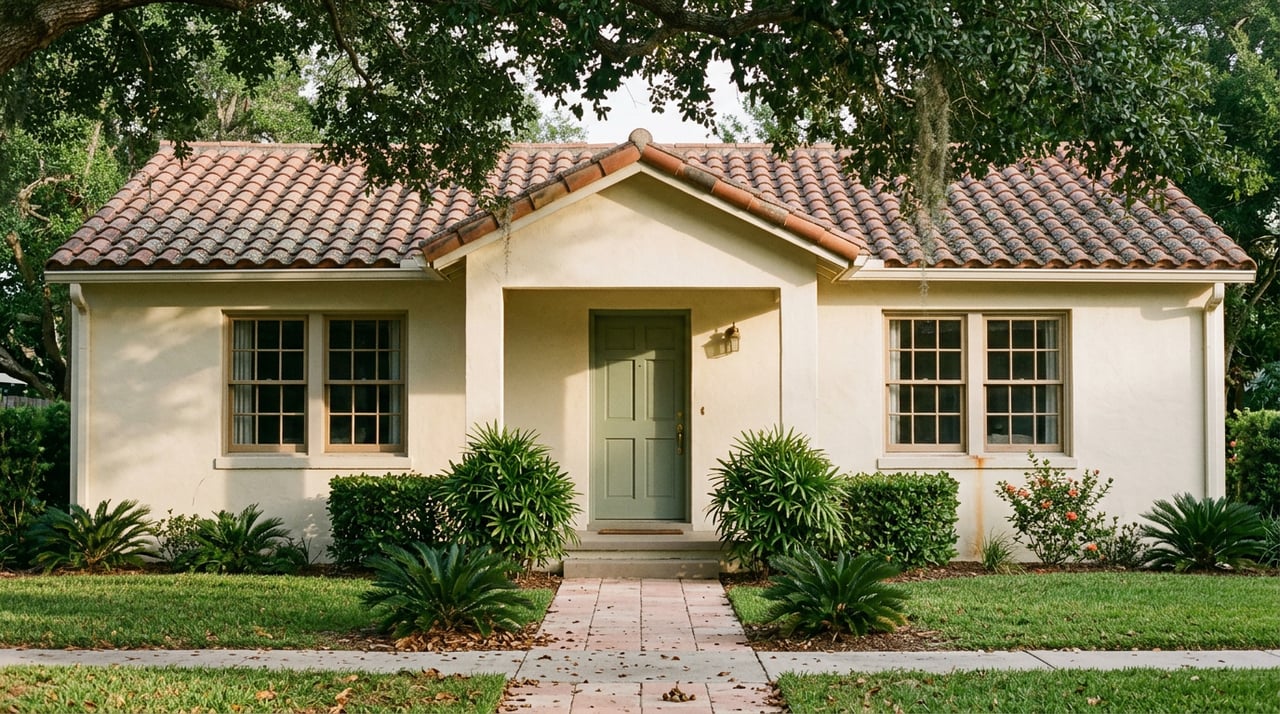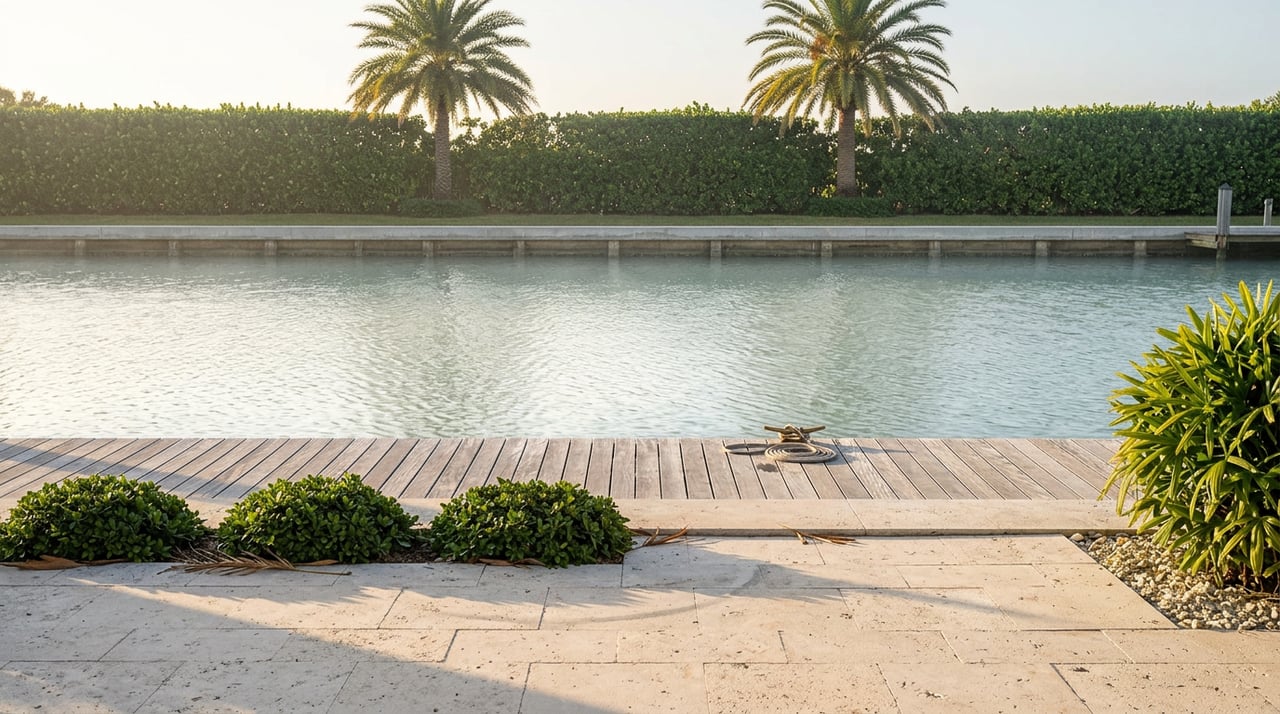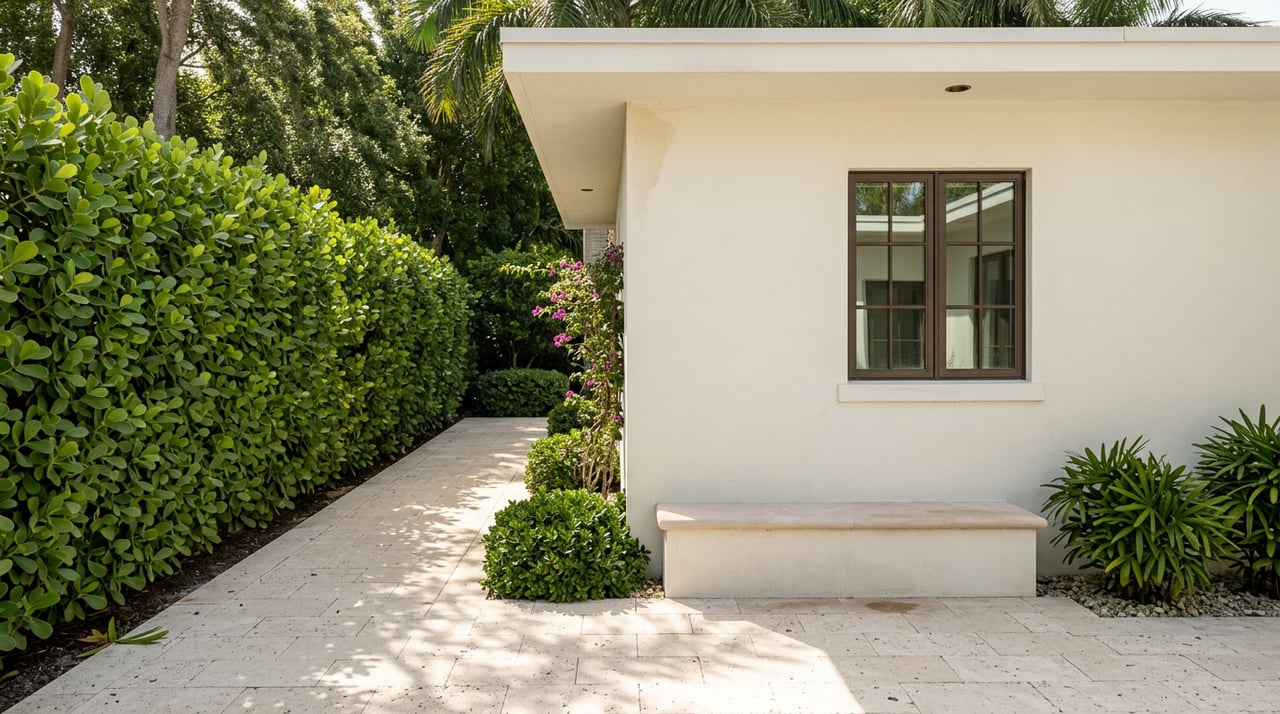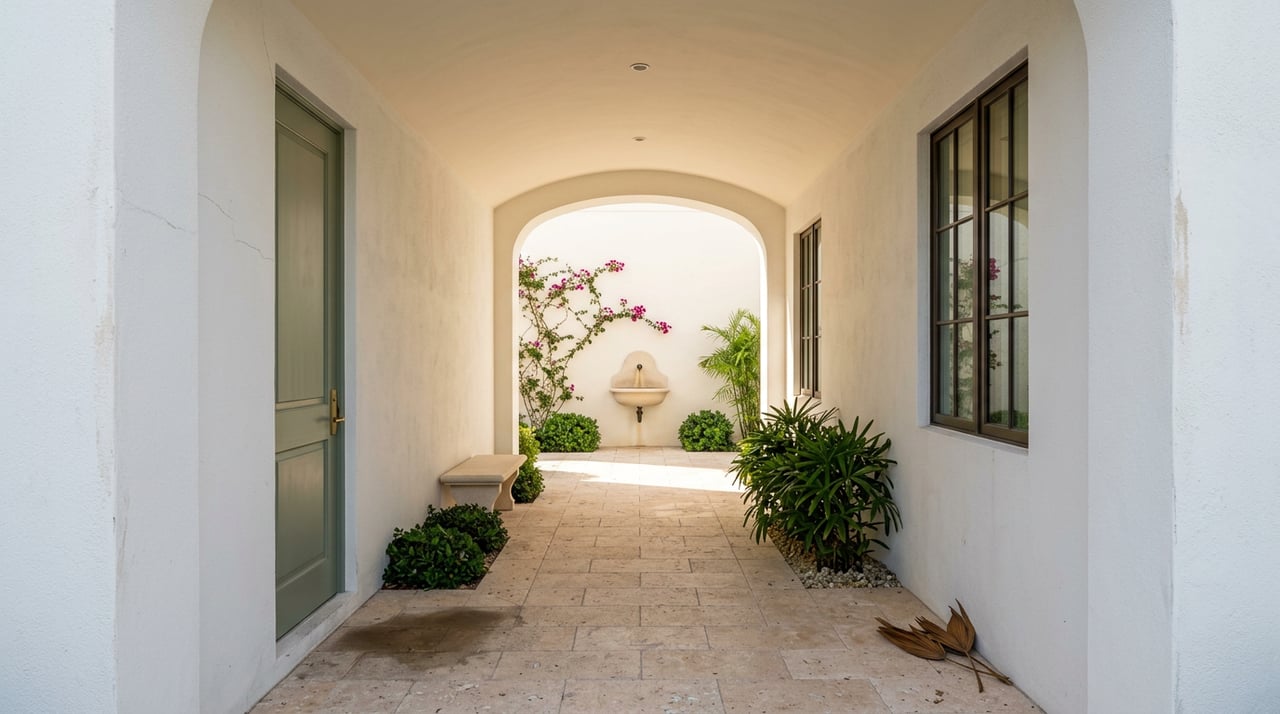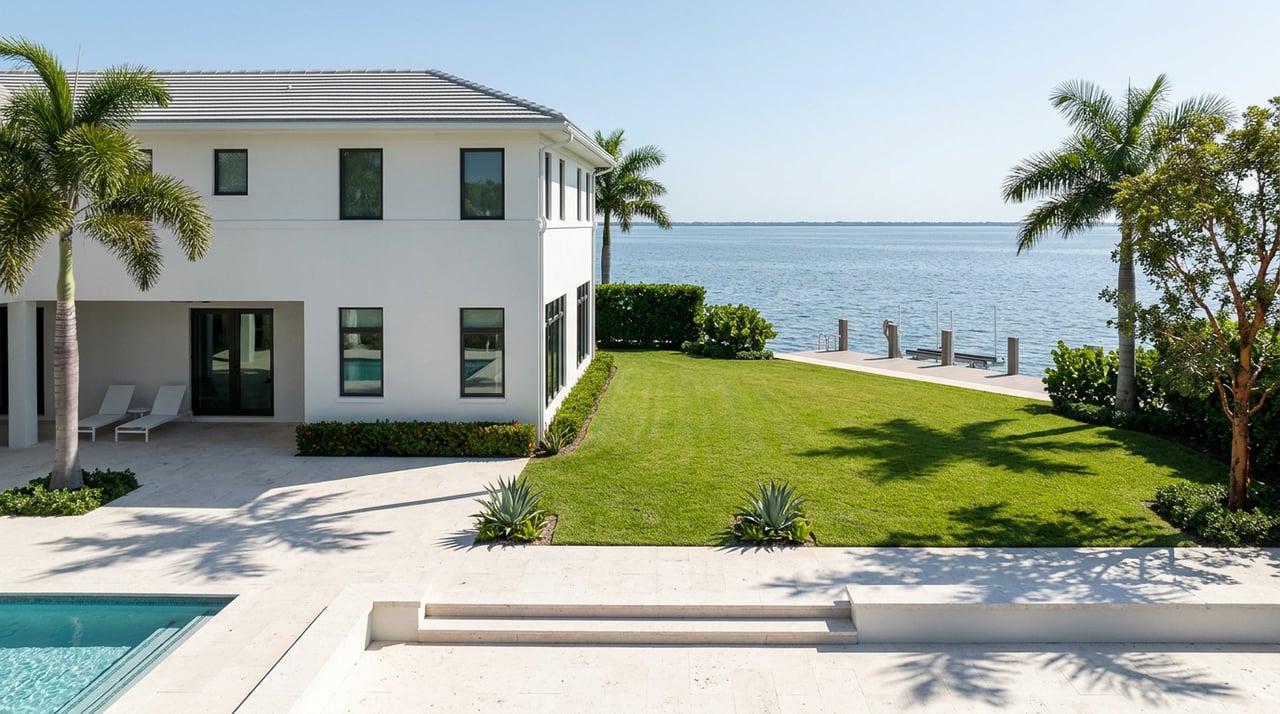
Are you weighing a turnkey ocean-to-Intracoastal estate, assembling a multi‑parcel compound, or starting fresh with land in Manalapan? If you want privacy, yacht access, and long-term value, the right path depends on timelines, permitting, and site constraints you cannot see from a listing alone. In this guide, you will get a clear comparison of your options, a look at how Manalapan’s rules shape what is possible, and a due‑diligence checklist to de‑risk your purchase. Let’s dive in.
Manalapan at a glance
Manalapan is a small, fully built barrier‑island town at the southern end of Palm Beach County with an engaged Building and Zoning team and a modern online permitting portal. You initiate permits and elevation checks through the Town’s portal on the Building & Zoning page. You can confirm flood determinations, elevation certificates, and local code compliance directly with the Town. Visit the Town’s Building & Zoning resources to start. (Town of Manalapan Building & Zoning)
For many buyers, lifestyle is as important as land. Select Manalapan owners enjoy long‑standing private club links at the Eau Palm Beach Resort & Spa, which can include prioritized access to the La Coquille Club. While not a real estate feature, it is a meaningful amenity for seasonal and full‑time living. Learn more about the club’s membership context on the La Coquille site. (La Coquille Club)
Waterfront options overview
Manalapan waterfront offerings generally fall into three categories:
- Finished or move‑in estates
- Multi‑parcel compounds
- Buildable or re‑developable parcels
Each path offers a different balance of immediacy, risk, and control. The sections below outline who each option suits, key advantages, and tradeoffs to consider.
Finished estates
Turnkey estates deliver immediate lifestyle use. You step into mature landscaping, established privacy walls or gates, and in many cases a functional dock, lift, and seawall. The best examples package predictability on capital needs and are ideal for immediate occupancy or seasonal use. One representative ocean‑to‑Intracoastal example is 1260 S Ocean Blvd, marketed at about 1.46 acres. (Listing snapshot accessed March 2026.) (1260 S Ocean Blvd on Compass)
Pros:
- Immediate enjoyment and simpler move‑in logistics
- Established infrastructure like pool, guesthouse, and gates
- Potentially grandfathered features you may retain under current rules
Cons:
- If you plan major renovations, the NFIP’s 50 percent substantial improvement rule can force elevation and code upgrades once thresholds are crossed
- Existing docks or lifts may not fit your intended vessel without multi‑agency approvals to alter
For flood and elevation specifics, the Town outlines the local practice and NFIP implementation, including current Community Rating System benefits for policyholders. (Manalapan flood and elevation information)
Multi‑parcel compounds
Compounds combine two or more adjacent lots to create a larger, private footprint. You get scale for guest houses, staff quarters, expanded yards, and customized circulation. On the water side, larger compounds can support more purposeful dock design, vehicle courts, and shoreline buffers.
Pros:
- Scale and privacy, plus the ability to master‑plan the entire site
- Flexibility for program needs like car storage, wellness spaces, or courts
- Opportunity to pair an ocean cabana with a protected Intracoastal yacht setup
Cons and constraints:
- You still must meet Manalapan’s minimum lot standards, setbacks, height, and shoreline rules, even when parcels are merged
- Boundary adjustments, platting, and riparian questions can require Town and County steps, plus state and federal coordination for docks and shoreline work
Before planning a compound, confirm the zoning district and supplemental standards so you know exactly what bulk, height, and dock types are allowed on your specific lot. (Manalapan zoning code reference) Also review the Town’s permitting workflow for how parcel combinations intersect with building, flood, and marine approvals. (Town of Manalapan Building & Zoning)
Buildable land and teardowns
Buying land or a teardown gives you maximum control over design and resilience. You can optimize finished floor heights, engineer a future‑ready seawall, and integrate modern mechanical and security systems from day one. Some parcels occasionally trade with plans and permits in hand, which can shorten delivery.
Pros:
- Full design control and the ability to build to current standards
- Clean slate for energy, security, and landscape strategies
- Potential to size a dock solution that fits your vessel within code limits
Cons:
- Longer timeline through design, multi‑agency permitting, and construction
- Soft costs for architects, engineers, and coastal consultants
- The 50 percent substantial improvement rule can be triggered by large renovations to retained structures in the floodplain
Review the Town’s flood guidance early so you understand how elevation and improvement thresholds affect your plan. (Manalapan flood and elevation information)
Ocean vs Intracoastal orientation
- Oceanfront faces the Atlantic, with open views, sandy frontage, and greater wave and surge exposure. Oceanfront properties do not host large ocean‑side docks, so yacht moorage is typically on the Intracoastal side. A representative ocean‑to‑Intracoastal parcel with substantial ocean frontage is 1260 S Ocean Blvd. (1260 S Ocean Blvd on Compass)
- Intracoastal frontage offers protected water for private docks and lifts, with boating via the Intracoastal Waterway to local inlets. Many buyers favor ocean‑to‑Intracoastal parcels so sunrise and beach meet sunset and yacht access.
Lot sizes and typical frontage
Manalapan’s ocean‑to‑Intracoastal estate parcels frequently run about 1.0 to 2.0 acres, with approximately 140 to 170 feet of ocean frontage common, paired with comparable Intracoastal width. Very large legacy parcels in the 2 to 4 plus acre range exist but are rare. One current example illustrating the scale is an ocean‑to‑Intracoastal parcel of about 1.46 acres at 1260 S Ocean Blvd. (Listing snapshot accessed March 2026.) (1260 S Ocean Blvd on Compass)
Use exact parcel sheets during diligence for verified dimensions. The Town and County maintain the records you and your consultants will need.
Docks, seawalls, and permitting
Designing or upgrading a dock or seawall in Manalapan involves multiple agencies. The sequence and standards shape both feasibility and timeline.
Permitting sequence
- Town of Manalapan. Building permits, flood determinations, elevation certificates, and local dock and seawall checks begin with the Town’s portal. (Town of Manalapan Building & Zoning)
- State of Florida. The Board of Trustees’ sovereignty submerged lands rules under F.A.C. Chapter 18‑21 govern how private docks use state-owned submerged lands, including preemption area, slip counts, and environmental protections. (Florida sovereignty submerged lands rules)
- U.S. Army Corps of Engineers. Florida participates in a State Programmatic General Permit that can streamline review for typical docks and seawalls. Larger or more complex projects can require individual permits and environmental mitigation. (USACE SPGP overview)
Typical limits and design notes
Local code sets dock placement and length rules by district, such as centering within setbacks and reaching defined mean low water depths. Always confirm your parcel’s exact district standards in the Town code before you finalize layouts. (Manalapan zoning code reference)
At the state level, F.A.C. 18‑21 policies affect how much area your dock can preempt, how many slips are allowed, and what environmental safeguards apply. Proposals for larger vessels or multi‑slip layouts must show adequate water depth and protection of seagrass and fisheries. (Florida sovereignty submerged lands rules)
Seawall standards vary by municipality. Many nearby jurisdictions require top‑of‑wall elevations tied to NAVD88 and designs that allow future height increases. In Manalapan, your engineer should evaluate current elevation, scour, and the feasibility of raising caps over time. Reviewing regional guidance can inform your questions for local engineers. (Seawall design and care context)
Timelines and risk
- Like‑for‑like repairs that meet exemption criteria can move faster, often in months
- Projects that need state consent and USACE verification commonly extend several months
- Complex new docks, dredging, or multi‑slip facilities can run 9 to 18 plus months through reviews
The State Programmatic General Permit helps reduce duplicative steps, but it does not replace state or federal requirements. Confirm current processing guidance with the Town, FDEP, and the Corps. (USACE SPGP overview)
Regulatory and flood factors
Flood zones and elevation matter in Manalapan. The Town maintains elevation certificates and participates in the NFIP Community Rating System, which provides an insurance discount for local policyholders. Renovations at or above 50 percent of market value can trigger requirements to bring structures to current code and elevation standards. Plan for this if you intend to enlarge or reconfigure an existing home. (Manalapan flood and elevation information)
Which option fits your goals
- Move‑in certainty. Choose a finished estate with recent elevation certificates and established dock and seawall infrastructure. Prioritize properties where insurance history and flood compliance are well documented. (Manalapan flood and elevation information)
- Speed with customization. Target parcels or estates marketed with plans and permits in hand. This approach preserves design intent while shortening permit lead times.
- Scale and legacy. Assemble adjacent parcels to create a private compound, then work within zoning, shoreline, and multi‑agency rules to deliver a cohesive master plan. (Manalapan zoning code reference)
Buyer due‑diligence checklist
Confirm parcel geometry and any riparian rights with Town and County records. Verify acreage, frontage, and recorded easements before you finalize program needs.
Request existing elevation certificates and the Town’s flood‑zone determination early. If none exist, budget for a certified survey and new certificate. (Manalapan flood and elevation information)
Order a bathymetric survey for Intracoastal frontage so your designer knows where mean low water depths meet code and what vessel drafts are feasible. Review local dock placement rules by district. (Manalapan zoning code reference)
Ask whether the seller conveys any active permits, prior state letters of consent, or approved plans. “Plans and permits in hand” can materially shorten delivery.
Commission marine and coastal structural engineers to evaluate seawall condition, scour risk, and the ability to raise caps in the future. (Seawall design and care context)
Confirm zoning district, minimum lot standards, height limits, and shoreline controls with the Town code before you plan expansions or additional structures. (Manalapan zoning code reference)
For multi‑parcel strategies, confirm the process for lot combination or plat changes with Town and County staff and whether merging triggers re‑application of minimum lot rules. (Town of Manalapan Building & Zoning)
Secure preliminary quotes for property and flood insurance based on the specific property and proposed design. Insurers will require elevation data and may condition coverage on resilience measures. (Manalapan flood and elevation information)
Next steps
Choosing between a finished estate, a bespoke compound, or a ground‑up build in Manalapan comes down to how you value time, control, and long‑term resilience. With clear goals, disciplined due diligence, and the right team, you can secure the frontage and functionality that fit your life today and protect value over decades.
If you want confidential guidance, verified off‑market access, and a plan tailored to your priorities, connect with Elizabeth DeWoody. Her Palm Beach Advisory platform pairs neighborhood‑level expertise with institutional‑grade execution so you can move with clarity and confidence.
FAQs
What are typical Manalapan ocean‑to‑Intracoastal lot sizes?
- Many trade around 1.0 to 2.0 acres with roughly 140 to 170 feet of ocean frontage common, while 2 to 4 plus acre legacy parcels are rare but present.
Can I build dockage for a 70 to 90 foot yacht in Manalapan?
- Possibly, but only after depth surveys confirm feasibility and after state sovereignty‑lands criteria and USACE programmatic checks are met; larger slips face closer scrutiny. (Florida sovereignty submerged lands rules)
How long do dock and seawall permits usually take?
- Routine, like‑for‑like work can move in months; docks needing state consent and USACE verification add several months; complex multi‑slip or dredging projects can extend 9 to 18 plus months. (USACE SPGP overview)
What is the 50 percent substantial improvement rule for renovations?
- If renovation or reconstruction equals or exceeds 50 percent of a structure’s market value in the floodplain, current code and elevation standards apply, which can add scope and cost. (Manalapan flood and elevation information)
Where do I start permits for a Manalapan waterfront project?
- Begin with the Town’s Building & Zoning portal for local permits and elevation checks, then coordinate state sovereignty‑lands review and any USACE verifications as needed. (Town of Manalapan Building & Zoning)