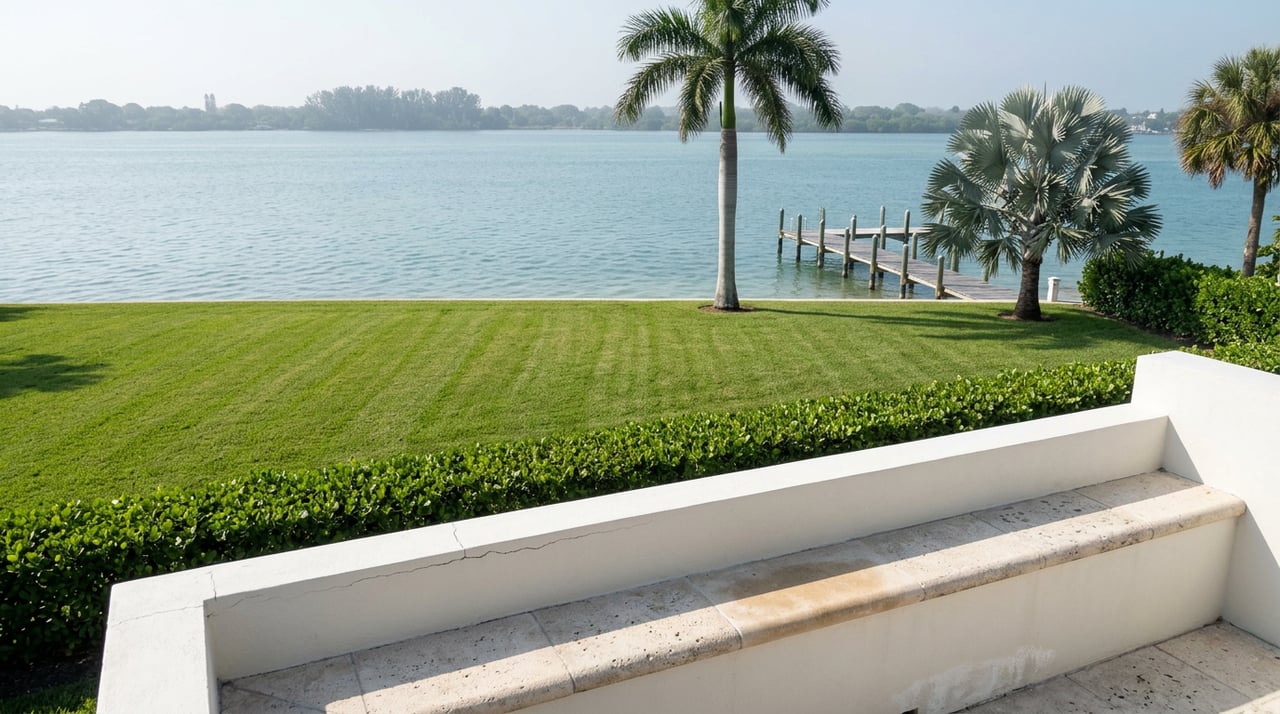
Picture your morning starting with a quiet walk to the beach, coffee on Worth Avenue, and an afternoon on the Lake Trail without ever getting in the car. If you’re weighing a seasonal place on Palm Beach Island, you might be wondering whether an In‑Town address fits your routine and goals. In this guide, you’ll learn what “In‑Town” really means, how the lifestyle works day to day, what housing options and prices look like, and the rules that matter for second‑home use. Let’s dive in.
What “In‑Town” Really Means
Living In‑Town refers to the compact, walkable center of Palm Beach Island anchored by Worth Avenue, Royal Poinciana Plaza and Royal Poinciana Way, and the surrounding streets roughly between Worth Avenue and Wells Road. Locals often contrast this pocket with the quieter North End and the more estate‑oriented South End. The draw is simple: immediate proximity to shopping, dining, culture, and the beach.
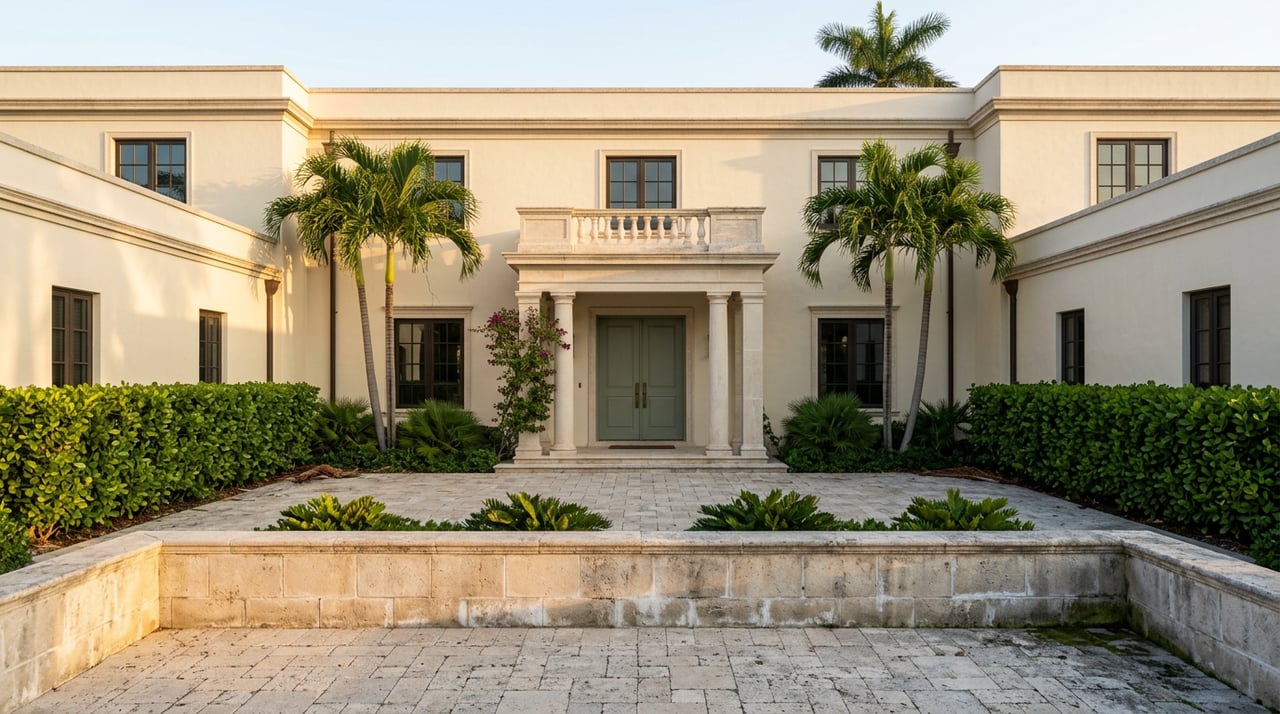
In practical terms, you trade land size and absolute oceanfront seclusion for convenience. The built environment features boutique condos and co‑ops, townhouses and pied‑a‑terres, plus smaller single‑family homes that often showcase classic Palm Beach architecture. If being able to step out the door and be on Worth Avenue or the Lake Trail in minutes is your priority, In‑Town is where that happens.
Day‑to‑Day Life In‑Town
Walkability around Worth Avenue
Worth Avenue is the island’s main street for high‑end shopping and dining. Blocks surrounding Worth score in the mid‑60s to low‑70s on consumer walkability measures, which means many daily errands and meals out can happen on foot if you live a block or two away. For context, a commercial address on Worth reflects that walkable fabric and nearby amenities on mapping tools such as this Worth Avenue listing snapshot.
Beaches, culture, and the Lake Trail
Public beach access points dot the shoreline, including the Midtown area near the clock tower at the east end of Worth Avenue. Proximity matters during high season when parking and crowds ebb and flow, and lifeguard schedules vary by access point. For a sense of the Midtown landmark and beach approach, see this overview of the Worth Avenue clock tower and beach access.
Cultural anchors sit close to the In‑Town core. The Flagler Museum and the Society of the Four Arts shape the island’s calendar with exhibitions, lectures, gardens, and performances. The Lake Trail runs along the Intracoastal for sunrise rides and evening strolls, giving you an easy outdoor routine without a drive.
Connecting to the mainland and beyond
Downtown West Palm Beach is just across the Intracoastal. Brightline’s West Palm Beach station offers hospitality‑style rail service to Miami, Fort Lauderdale, Boca Raton and Orlando, which is a useful option if you want a car‑light lifestyle or have guests visiting. Learn more about service and connectivity from Brightline’s station overview.
Parking, permits, and guest logistics
The Town of Palm Beach manages resident permit programs and ParkMobile zones on mid‑town blocks. Some streets have resident‑only parking during set hours. If you expect frequent guests or plan to arrive seasonally, it pays to review the town’s parking and permit guidance before you buy.
Housing Options In‑Town
The property mix you’ll see
In‑Town inventory typically includes boutique condos and co‑ops, townhouses and pied‑a‑terres, and modest single‑family homes on tree‑lined streets. Buildings near Worth Avenue or Cocoanut Row can be storied co‑ops or small condominium associations. Single‑family options are smaller than estate‑section properties but deliver the walkable lifestyle that defines In‑Town.
Price context and selection
Palm Beach sits at the top of national price comparisons, and the island’s small sample size means a handful of ultra‑luxury trades can swing quarterly medians. Recent local year‑end reporting noted strong single‑family activity while some condo segments saw more selection at times, giving buyers added choices in certain quarters. For a high‑level view of late‑2024 dynamics, see this local market summary.
As a general frame, In‑Town condos and co‑ops can range from high six figures into the multi‑millions depending on size, renovation level, and exposure. Boutique units often list in the low‑to‑mid millions, while larger or fully renovated residences with strong water views can go much higher. Single‑family In‑Town homes routinely sit in the multi‑million range. Because zoning is restrictive and the island is small, supply is thin and timing matters.
Practical Considerations for Second‑Home Buyers
Short‑term rental rules
If you expect to monetize your home with nightly stays, pause here. The Town of Palm Beach prohibits short‑term, Airbnb‑style rentals. For single‑family homes, town policy also limits the number of annual rentals. Always confirm your plans against the town’s short‑term rental and code FAQ before you budget around rental income.
Condo and co‑op leasing policies
Many buildings have minimum lease terms, application reviews, and waiting periods. Older co‑ops can be especially selective, with board interviews and financial requirements. These association rules can shape how you host guests or structure seasonal stays, so review bylaws early in your search and again during due diligence.
Insurance, flood, and wind standards
Palm Beach Island is low‑lying, so check FEMA flood maps and request an elevation certificate for any property you consider. Flood zone and elevation influence insurance requirements and premiums. For background on flood mapping and Special Flood Hazard Areas, start with this FEMA overview.
Florida’s building codes also address coastal wind and opening protection. Palm Beach County follows the Florida Building Code’s wind‑borne debris and coastal provisions, which differ from the stricter High‑Velocity Hurricane Zone used in Miami‑Dade and Broward. You can review the HVHZ context and statewide code framework in this Florida Building Commission brief.
Seasonality and on‑island services
Peak winter season increases demand for property managers, housekeepers, landscapers, and other service providers. If you prefer concierge‑level support, line up staffing ahead of arrivals and expect holiday or high‑season surcharges. Planning your calendar with service availability in mind helps keep your visits seamless.
Taxes on short stays
State and county taxes can apply to transient stays under six months. Combined with the town’s strict short‑term rental rules, this is another reason to verify your intended use with the municipality and any condo or co‑op board before you buy.
Is In‑Town Right for You?
Consider this quick self‑check as you refine your brief:
- You want to walk to Worth Avenue, Royal Poinciana, the beach, and the Lake Trail.
- You value convenience over land size and absolute seclusion.
- You prefer a boutique condo, co‑op, townhouse, or smaller single‑family residence.
- You do not plan to rely on nightly rental income.
- You like the option to use Brightline for trips to Miami, Fort Lauderdale, Boca Raton, or Orlando.
- You are comfortable reviewing flood zones, insurance quotes, and association rules.
If that sounds like you, an In‑Town address can deliver an easy, polished Palm Beach routine where the best of the island is truly at your doorstep.
Ready to evaluate specific streets and buildings, or to access quiet off‑market options? Connect with Elizabeth DeWoody for data‑driven guidance, on‑the‑ground insight, and a confidential path to the right In‑Town fit.
FAQs
What areas define “In‑Town” Palm Beach?
- The walkable center anchored by Worth Avenue, Royal Poinciana Plaza and Way, and nearby streets roughly between Worth Avenue and Wells Road.
How walkable is the In‑Town area day to day?
- Blocks near Worth Avenue show mid‑60s to low‑70s walkability on consumer measures, so many errands and meals out are easy on foot; see a Worth Avenue snapshot for context.
Can I do short‑term or Airbnb‑style rentals In‑Town?
- No. The Town of Palm Beach prohibits short‑term rentals, and single‑family homes face additional annual rental limits; review the town’s FAQ for specifics.
What price range should I expect for In‑Town homes and condos?
- Condos and co‑ops span from high six figures into the multi‑millions, while single‑family homes are typically multi‑million; medians can swing with a few ultra‑luxury sales, as noted in local reporting.
How do I reach Miami or Orlando without driving from Palm Beach?
- Brightline’s West Palm Beach station offers regular rail service to Miami, Fort Lauderdale, Boca Raton and Orlando; see Brightline’s overview.
Where can my guests park when visiting an In‑Town property?
- Street parking is regulated with permits and ParkMobile zones, and some blocks are resident‑only during certain hours; check the town’s parking guidance before hosting.
What due diligence should I complete before an In‑Town purchase?
- Confirm association leasing rules, verify flood zone and elevation, obtain insurance quotes early, and review town rules on parking and rentals using official Town of Palm Beach resources.