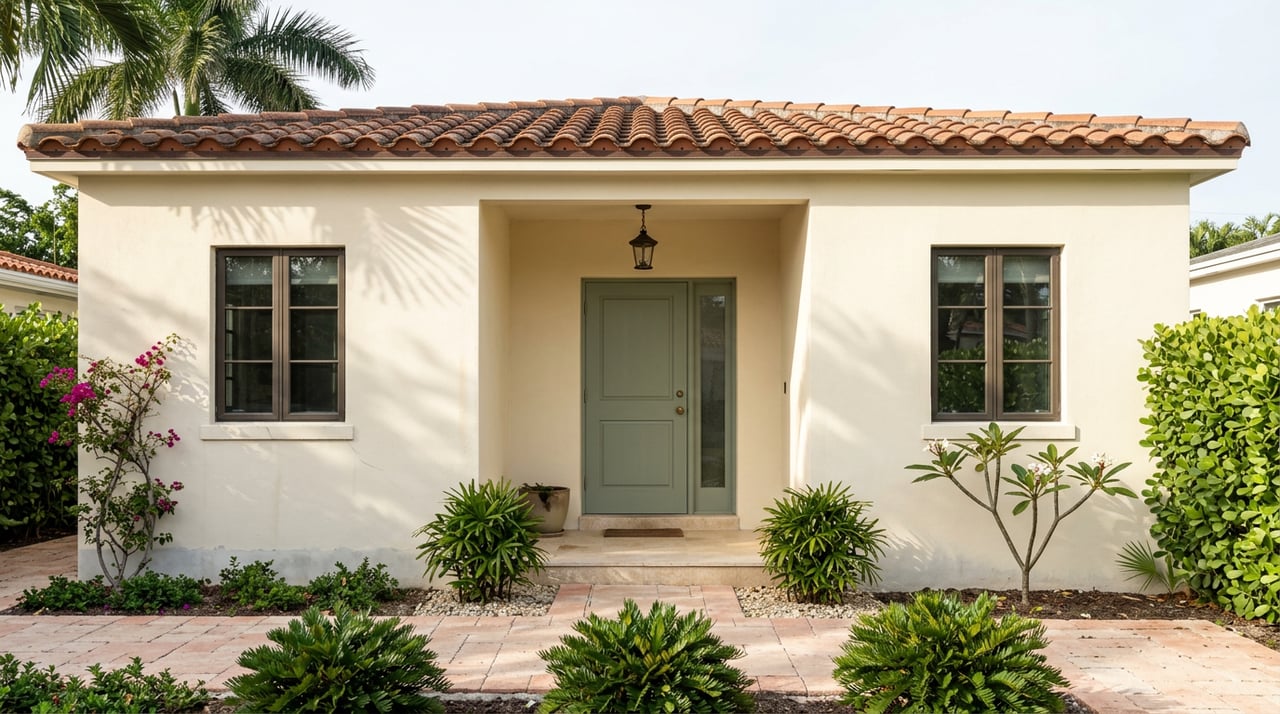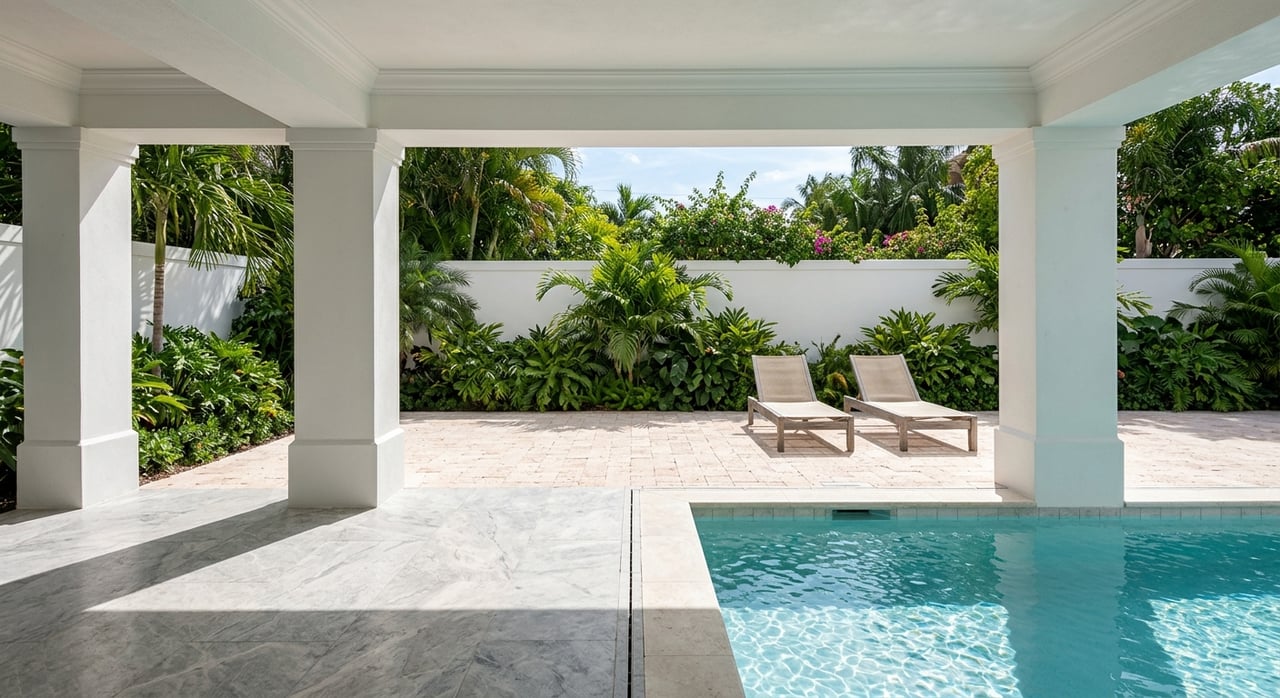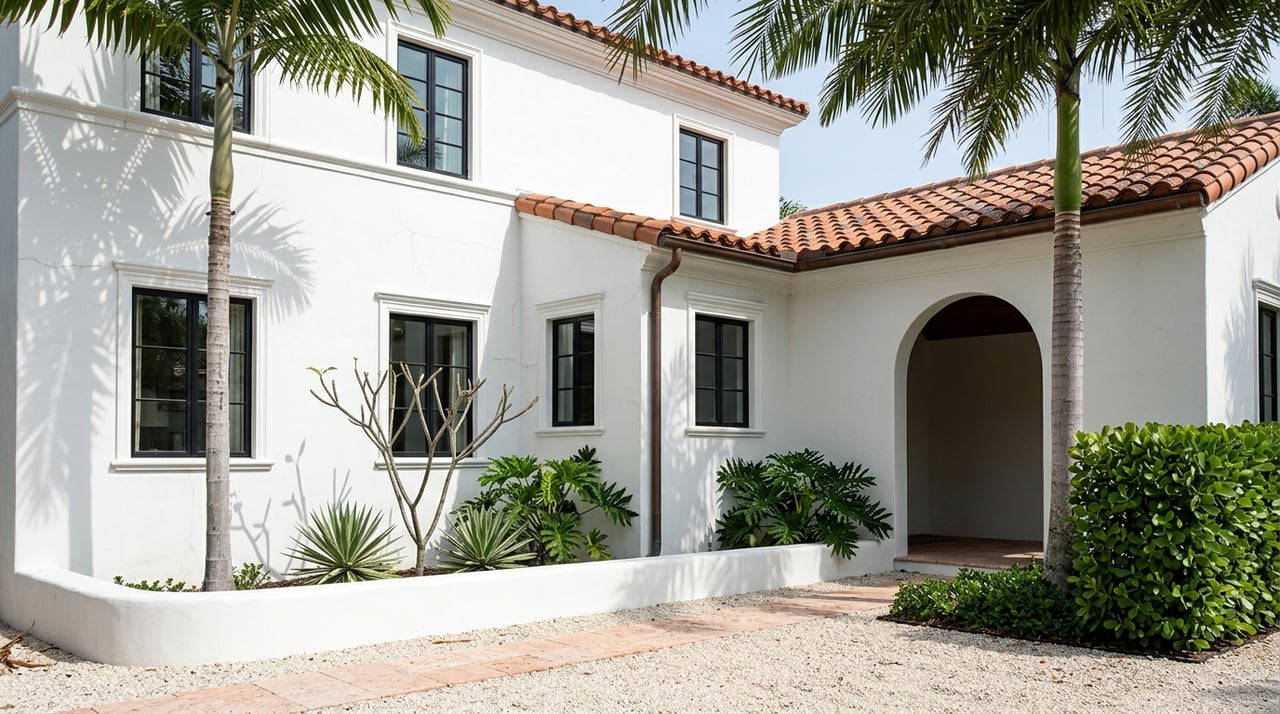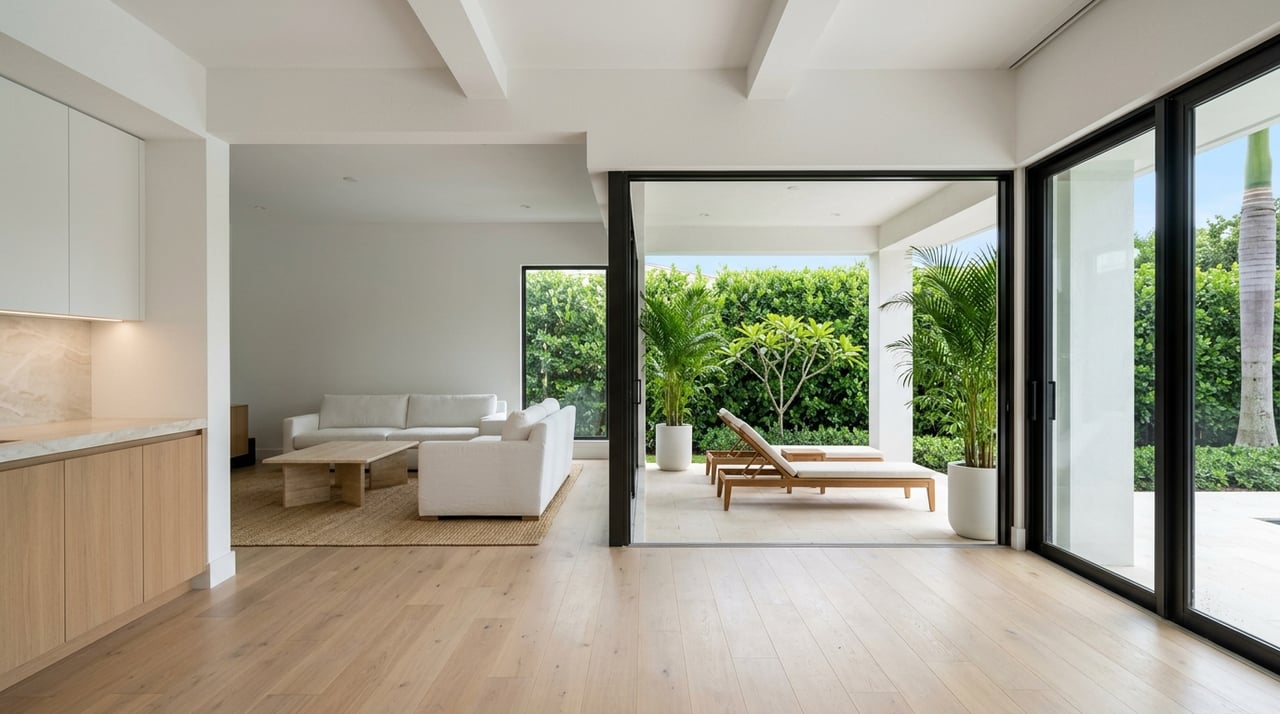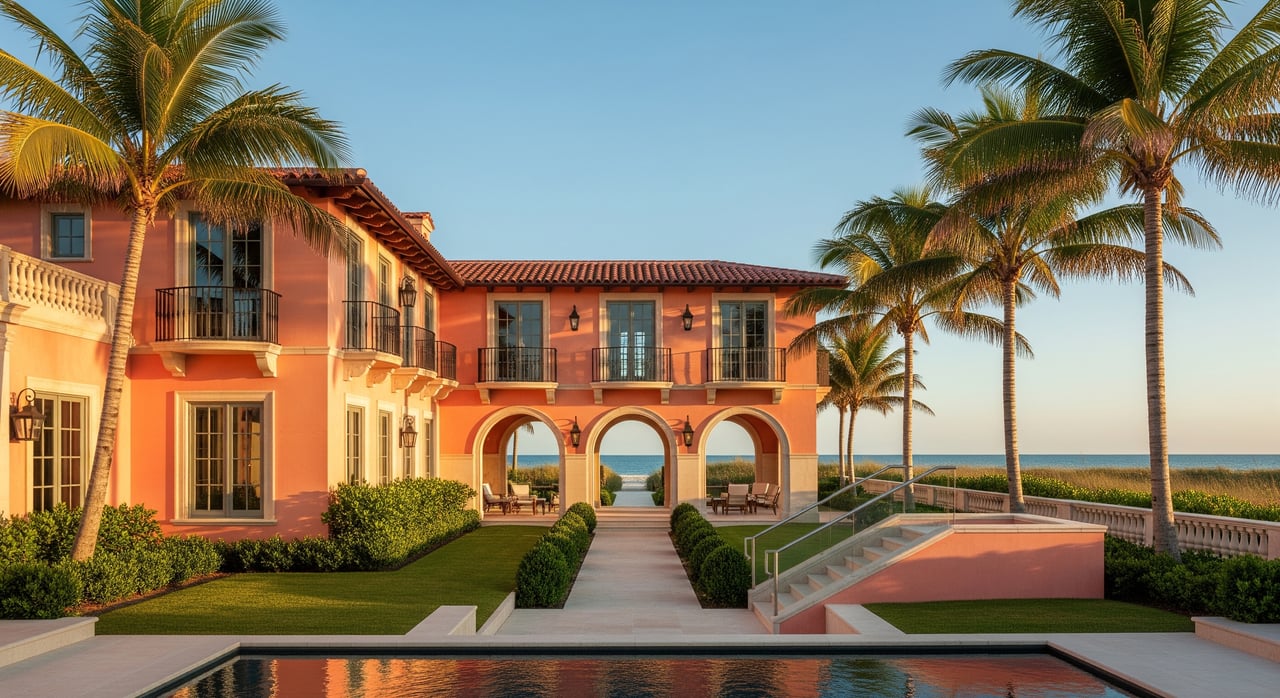
What makes the North End of Palm Beach feel different the moment you arrive? It is quieter, greener, and more estate‑like, with wide lots and water on both sides of the island. If you value privacy, boating access, and a relaxed pace close to world‑class amenities, this stretch deserves a closer look. In this guide, you’ll learn how lifestyle, access, and physical features translate into value so you can compare North End homes with confidence. Let’s dive in.
North End at a glance
The North End refers to the northern portion of Palm Beach Island, near the Lake Worth Inlet and north of the central shopping and dining corridor. You’ll find a primarily residential environment with larger lots, historic estates, and fewer commercial uses than mid‑island. This setting supports a more private estate lifestyle many high‑net‑worth buyers prefer.
Two waterfront experiences anchor the area. The east side offers direct oceanfront, sunrise views, and beach access. The west side along the Lake Trail faces the Intracoastal, with calmer waters, sunset views, and potential private docks. Through‑lots and cross‑block parcels deliver varied orientations, so it is important to match your daily habits with the property’s layout and exposure.
Lifestyle choices: Ocean or Lake Trail
Oceanfront living
Oceanfront parcels typically command a premium for direct beach access and unobstructed views. Daily life centers on the beach, pool, and outdoor living, with the sound of waves and morning light. Wider beaches enhance privacy and usability, while narrower sections limit space and can feel more exposed during high tides.
Lake Trail and boating
Intracoastal properties prioritize boating and water access. You get wind protection compared with oceanfront, west‑facing sunsets, and often a different microclimate. Dock quality, seawall condition, and water depth are essential to evaluate if you plan to keep a boat at home or prefer quick access to marinas.
Daily‑life factors that matter
Beach width and dunes
Beach width is a primary driver of both experience and value. Wider beaches offer more privacy, recreation space, and a comfortable buffer during seasonal high water. Because the North End sits near the inlet, shoreline conditions can shift with sand transport and periodic nourishment work. Strong, well‑vegetated dunes tend to hold up better during storms and help preserve beach width over time.
What to do next:
- Visit at different tides and seasons to see true conditions.
- Review historical aerials for long‑term changes.
- Ask about recent nourishment or erosion events and any setbacks affecting that lot.
Private cabanas and access rights
Private cabanas, stairways, and boardwalks can transform how you use a beachfront home. Ownership and rights vary by parcel and permit history. Some properties convey permitted structures and recorded easements; others rely on public access and do not include exclusive rights to beach furnishings. Cabanas near active dune restoration may be subject to relocation or removal.
What to verify:
- Recorded easements and active permits for cabanas, stairs, and decks.
- Responsibility for maintenance and liability coverage.
- Any encroachments or conditions that could affect future use.
Docks, seawalls, and marine access
On the Intracoastal side, dock and seawall integrity directly affect usability and cost. Confirm the permit history, age, and condition of marine structures, as well as any recorded limitations on boat size or docking. Water depth at the dock, lift capacity, and exposure to wakes or currents will shape daily boating life.
Practical checks:
- Recent marine contractor inspection and photos.
- Any pending seawall replacement orders.
- Navigational depth and distance to inlet or marinas.
Street‑by‑street micro‑character
Each block on the North End has its own feel. Orientation drives light and wind. Lot depth influences buildable area, privacy buffers, and pool placement. Traffic volume differs between North Ocean Boulevard, Lake Trail, and quieter cross streets. Mature trees add shade and privacy but may come with preservation rules that limit removal.
When touring, pay attention to:
- Nearby public beach access points and navigation channels.
- Parking rules, lighting, sidewalks, and security patrols.
- Historic overlays or design review that may affect exterior changes.
Value drivers and market structure
What commands premiums
- Oceanfront orientation with direct beach access and unobstructed views.
- Wider beachfront coupled with transferable private cabana or boardwalk rights.
- Large estate lots and homes with notable architectural provenance.
- Intracoastal frontage with wide water views, a permitted dock, and a sound seawall.
These features reduce risk, improve usability, and bolster resale confidence. Recent seawall work, updated dock permits, and well‑documented improvements can also improve pricing power by lowering near‑term capital needs.
Buyer segments and timing
North End buyers are typically high‑net‑worth individuals choosing between full‑time residences, seasonal homes, or trophy holdings. Many prioritize discretion, security, and marine access. Activity tends to concentrate in the fall and winter, which can affect time on market and negotiation dynamics. If you want an early look, off‑market opportunities and proactive outreach often matter.
Risk and insurability
Coastal settings come with specific risk considerations that influence value and carrying cost:
- Flood and storm risk. Check FEMA flood zones, Base Flood Elevations, and a current elevation certificate. Elevation influences both safety and insurance pricing.
- Shoreline and seawall work. Seawall replacement, dune restoration, and nourishment projects require permits and can be capital intensive.
- Insurance market dynamics. Wind and flood insurance premiums across Florida have risen, and availability can vary. High‑value homes often use layered strategies, combining primary and excess coverage.
- Long‑term coastal change. Sea‑level rise and erosion forecasts are important for planning major renovations and holding periods.
- Zoning and design review. Setbacks, height limits, coverage ratios, and any historic review will define what you can change or rebuild.
A forward‑looking plan matters. Frame lifestyle benefits against a 5–10 year use horizon and a 25–30 year investment horizon to see how improvements, insurance, and maintenance align with your goals.
How to compare North End listings
Use a clear, repeatable framework to reduce surprises and strengthen negotiations.
Quick checklist
- Orientation and views: ocean, Intracoastal, partial, or none.
- Beach width at the parcel and its seasonal variation.
- Private cabana/boardwalk/stair rights and permits.
- Dock and seawall age, condition, and permit history.
- Lot size and buildability: frontage, depth, allowable coverage, setbacks.
- Elevation and flood zone; obtain an elevation certificate.
- Utilities and drainage: subterranean vs. overhead, sewer connectivity.
- Street character: traffic, parking, lighting, canopy, sidewalks.
- Proximity to Worth Avenue, marinas, and airports.
- Historic or design constraints and review timelines.
- Recent street‑level comparable sales and price direction.
- Early insurance quotes for wind and flood.
Due diligence steps
- Order a current survey with recorded plats and easements to confirm beach access, cabana rights, and any encroachments.
- Commission structural and marine inspections, including seawall and dock reports.
- Review aerial imagery and historic photos to assess shoreline movement and dune health.
- Verify any planned municipal projects that could temporarily affect beach structures or access.
- Run comps at the street and block level rather than relying on island‑wide averages.
Access and proximity
The North End is a few minutes by car from the Worth Avenue corridor, private clubs, and marinas, while retaining a quieter residential character. The nearby inlet influences boat traffic and can shorten water commutes. If you value easy access to shopping and dining yet prefer a serene home base, this balance is a defining feature of North End living.
Making a confident decision
Choosing between oceanfront prestige and a boating‑first lifestyle is the heart of the North End decision. From beach width and cabana rights to seawalls and elevation, the details shape your daily life and long‑term value. A structured comparison will help you see what is worth paying for today and what will stand the test of time.
If you want a discreet, data‑driven path to the right North End property, connect with Elizabeth DeWoody. You’ll get neighborhood‑level intelligence, off‑market access, and a clear plan from first tour through closing.
FAQs
What defines the North End of Palm Beach?
- It refers to the northern portion of Palm Beach Island near the Lake Worth Inlet, primarily residential with larger lots, historic estates, and a quieter feel than mid‑island.
How does beach width affect value for oceanfront homes?
- Wider beaches increase privacy and usable outdoor space and typically support stronger resale; narrow sections can limit use and heighten storm exposure.
What should I verify for a North End Intracoastal property?
- Confirm dock and seawall condition, permit history, water depth at the dock, and any recorded limits on docking or lifts.
Are private beach cabanas always included with oceanfront homes?
- No. Rights vary by parcel and permit record; verify recorded easements, active permits, and any conditions tied to dune or nourishment projects.
How do flood zones and elevation impact insurability?
- Flood zone and Base Flood Elevation influence policy availability and pricing; obtain an elevation certificate early to price wind and flood coverage accurately.
When is the most active season to buy on the North End?
- Activity often concentrates in fall and winter, influencing inventory, showing schedules, and negotiation timelines.