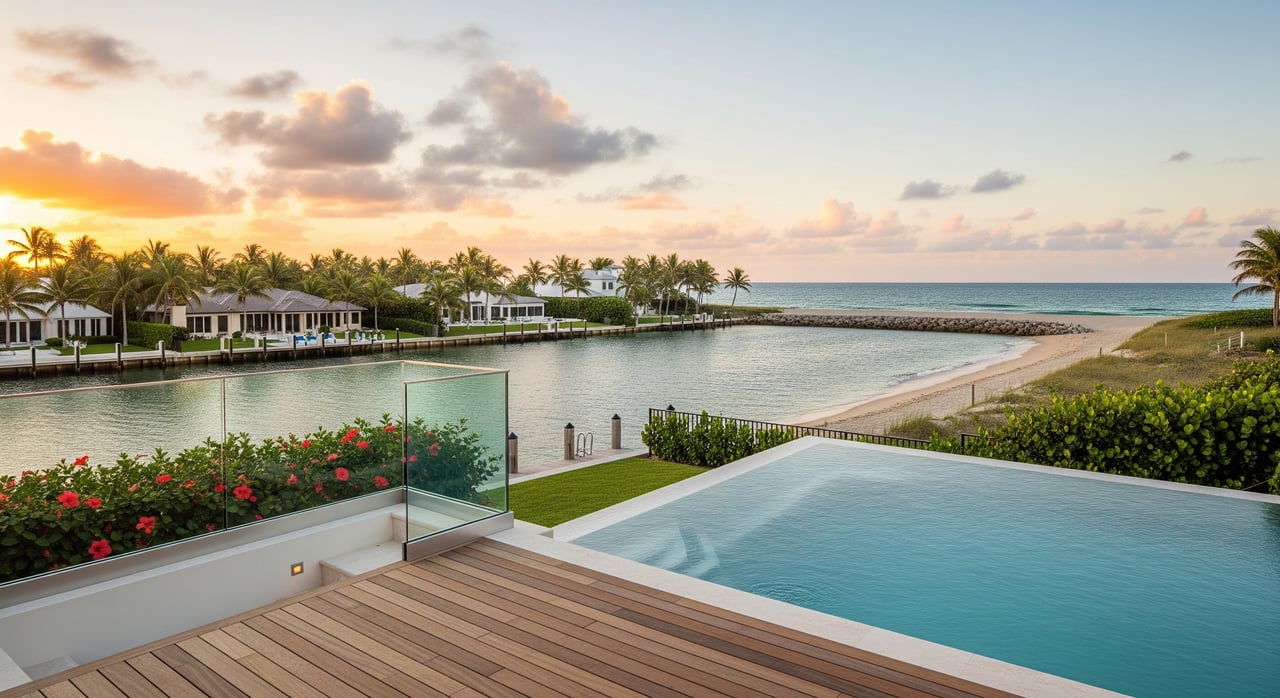
You are choosing between two extraordinary coastlines in one small village. On one side, the Atlantic and a private beach lifestyle. On the other, protected waters and flexible boating on the Intracoastal. If you are weighing a Manalapan purchase, you want clarity on privacy, boating, maintenance, insurance, and long-term value. This guide breaks down the key differences, explains local rules, and gives you a due diligence path to decide with confidence. Let’s dive in.
Manalapan waterfront at a glance
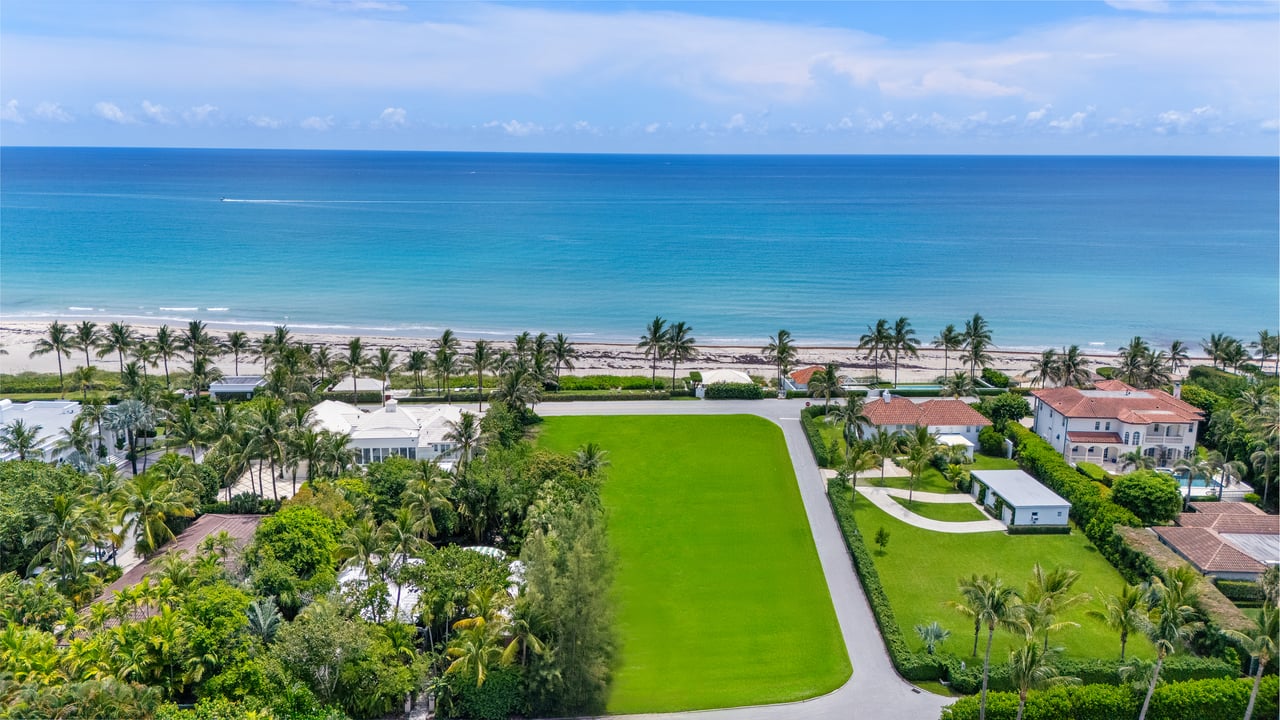
Manalapan sits on a narrow barrier island south of Palm Beach, with the Atlantic Ocean on the east and the Intracoastal Waterway (Lake Worth Lagoon) on the west. Properties range from direct oceanfront to Intracoastal estates, and a rare few run from ocean to lake. The village is small, inventory is limited, and each estate is highly individualized in layout and engineering.
If you plan improvements, start by reviewing local codes with the Town of Manalapan and county and state agencies. The geography, the Coastal Construction Control Line, and environmental rules shape what you can build and where.
Privacy and site layout
Oceanfront privacy
Oceanfront estates can feel exceptionally private because your seaward exposure faces open water and sky. You can create deep landscape buffers and controlled beachside security. Depending on your lot and nearby public access points, beachgoers may introduce sightlines that you will want to manage through setbacks, vegetation, lighting, and surveillance.
Intracoastal privacy
Intracoastal lots put you near neighboring estates across the lagoon and closer to dockside activity. Transient boat traffic can increase visibility. Many owners offset this with thoughtful dock orientation, bulkhead design, and gated compound layouts that define sightlines and access.
Designing for discretion
Both settings benefit from a layered plan: controlled entries, service drives, guardhouse or concierge arrival, and strategic landscaping. Expect to blend architectural setbacks with technology and staff support to achieve the privacy you want.
Boating and marine access
Intracoastal dockage advantages
Protected waters make the Intracoastal a natural fit if you want a private dock, boat lift, or small marina for tenders and day boats. You can cruise the waterway in calmer conditions and access safe harbor when the ocean is rough. Dock size, length, and dredging are regulated, so verify feasibility early with Palm Beach County Environmental Resources Management.
Oceanfront offshore appeal
If offshore yachting or sportfishing is central to your lifestyle, oceanfront puts you near the Gulf Stream and open water. Private ocean-facing dockage is complex due to surf and exposure, so many owners rely on engineered lifts, breakwaters, or moorings, and often berth larger yachts at nearby deepwater marinas. A site-specific marine plan is critical.
Permitting and depth
Any dock, seawall, or dredging work requires county and state approvals. Environmental rules protect seagrass and submerged habitats, which can limit design. Review requirements with ERM and the Florida Department of Environmental Protection’s CCCL guidance. Align your vessel plans with channel depths, turning basins, and likely permit timelines before you commit to a purchase.
Beach access and daily lifestyle
Oceanfront living
Direct beach access is the signature draw. You can host private beach events, swim and sun steps from your terrace, and enjoy expansive views. Oceanfront owners also steward dune systems and coordinate with county and state programs when beach nourishment or stabilization is needed.
Intracoastal living
You trade surf for smooth water, ideal for paddleboarding, kayaking, and protected swimming. You are a short drive or boat ride to the Atlantic beach, which some owners prefer in exchange for easier everyday boating and dockage at home.
Ocean-to-lake rarity
A limited number of estates span ocean to Intracoastal. These command a premium because they combine a private beach with protected water access. They also come with unique maintenance and permitting profiles that require careful planning.
Maintenance and operational considerations
Oceanfront maintenance
Salt, wind, and spray accelerate wear on exterior finishes, mechanicals, and marine hardware. Plan for more frequent service on metal, fenestration, pool systems, and HVAC. Dune and shoreline work may require periodic projects that involve specialized contractors and coordinated approvals.
Intracoastal maintenance
Seawalls, bulkheads, docks, and lifts are ongoing responsibilities. Siltation can prompt occasional dredging, which is permit heavy. While the lagoon is more protected than the ocean, tidal forces and surge still impact pilings and walls. Water quality factors, such as algae and seagrass, can increase cleaning frequency for hulls and waterfront features.
Resilience investments
Across both settings, high-performing estates use corrosion-resistant materials, hurricane-rated glazing, elevated mechanicals, whole-home generators, and hardened utility corridors. These features reduce downtime and can help with insurance underwriting.
Insurance, flood and regulations
Flood and wind coverage
Barrier island properties face storm surge and hurricane wind risk. Lenders often require flood coverage, and many owners blend NFIP and private flood policies along with separate windstorm coverage. Florida’s insurance market has been fluid, so review carrier appetite, deductibles, and mitigation requirements early. For context on statewide market conditions, monitor the Florida Office of Insurance Regulation.
Flood zones and elevation
A site’s flood zone and elevation influence premiums and design. Obtain current FEMA FIRMs and an Elevation Certificate to understand VE versus AE zones and base flood elevations. Start with the FEMA Flood Map Service Center and consult your engineer for freeboard recommendations.
Coastal controls and permits
Projects near the shoreline often fall under the state’s Coastal Construction Control Line. Any significant ocean-facing or dune work, and most seawall and dock projects, require approvals. Review CCCL resources from Florida DEP and coordinate with Palm Beach County ERM. Long-range planning should also account for sea-level projections available through the NOAA Sea Level Rise Viewer.
Resale and value drivers
Oceanfront premiums
Direct beach access and panoramic views typically command a premium, especially when combined with provenance or exceptional design. In the ultra-luxury segment, exclusivity and turnkey resilience can drive competitive offers.
Intracoastal demand
Deepwater dockage and larger usable lots can put top-tier Intracoastal estates on par with, or above, many oceanfront homes. Buyers who prioritize boating and protected water access often focus here.
Risk-adjusted pricing
Insurability, elevation, and long-term resilience now factor into value. Properties that are hardened, insurable, and permit-ready can hold a pricing advantage. Since inventory is scarce and attributes vary widely, comps rely more on lot specifics, orientation, and improvements than simple ocean vs Intracoastal labels.
A quick decision framework
Choose oceanfront if you:
- Want a private beach lifestyle with sweeping views.
- Value beachside entertaining and uninterrupted horizon lines.
- Accept higher exposure and maintenance for the lifestyle benefit.
Choose Intracoastal if you:
- Want protected, year-round dockage at your home.
- Prefer calm-water recreation and flexible boating.
- Value a larger usable lot and potentially easier everyday operations.
Choose ocean-to-lake if you:
- Want both private beach and protected dockage.
- Can accommodate added permitting and maintenance complexity.
- Seek a legacy property with rare attributes.
Essential due diligence in Manalapan
Before you write an offer, assemble a team and validate the technicals:
- Planning and zoning: Confirm setbacks, height, and coverage with the Town of Manalapan. Align program and privacy plan with local codes.
- Docks, seawalls, dredging: Pre-screen concepts and constraints with Palm Beach County ERM. Engage a coastal engineer and marine architect to model dock lengths, depths, and environmental factors.
- Coastal controls: If work sits near or seaward of CCCL, review Florida DEP CCCL guidance and outline permits and timelines.
- Flood and elevation: Pull FIRMs from the FEMA Flood Map Service Center and order an Elevation Certificate. Model surge and freeboard.
- Insurance preview: Request windstorm and flood quotes from specialist coastal underwriters, noting required mitigation and deductibles, and monitor market context via the Florida Office of Insurance Regulation.
- Long-range risk: Incorporate sea-level scenarios using the NOAA Sea Level Rise Viewer.
- Property records: Verify parcel history, prior permits, and tax details with the Palm Beach County Property Appraiser.
The bottom line
Both oceanfront and Intracoastal living in Manalapan offer an elite experience. Your decision comes down to lifestyle priorities, operational preferences, and how you weigh risk and resilience. With a clear plan, the right experts, and thorough due diligence, you can align a trophy property with how you live now and how you plan to enjoy it for years.
If you want a discreet, data-driven process and access to off-market opportunities, connect with Elizabeth DeWoody to walk through a tailored purchase strategy in Manalapan and greater Palm Beach.
FAQs
Is oceanfront or Intracoastal property in Manalapan safer in a hurricane?
- Neither is inherently safer, since oceanfront faces direct wave action while Intracoastal can see amplified surge; resilience depends on elevation, structure, and site-specific engineering.
Can I dock a large yacht at a Manalapan Intracoastal home?
- It depends on channel depth, turning radius, and permits; very large yachts often use nearby marinas, so confirm feasibility with county and state regulators and a marine architect.
How does flood insurance work for Manalapan waterfront estates?
- You will likely combine NFIP and private flood policies, plus windstorm coverage, with pricing tied to elevation, mitigation, and underwriting; consult specialist carriers early.
What makes ocean-to-lake estates in Manalapan unique?
- They are rare and command a premium because they pair private beach access with protected dockage, but they require careful planning for permitting and maintenance.
What maintenance differences should I expect between the two settings?
- Oceanfront owners face higher corrosion and exposure-related upkeep, while Intracoastal owners focus on seawalls, docks, lifts, and potential dredging.
What permits are needed for docks or seawalls in Palm Beach County?
- Most waterfront structures require Palm Beach County ERM review and, if within coastal controls, Florida DEP approvals, so build your timeline around those processes.