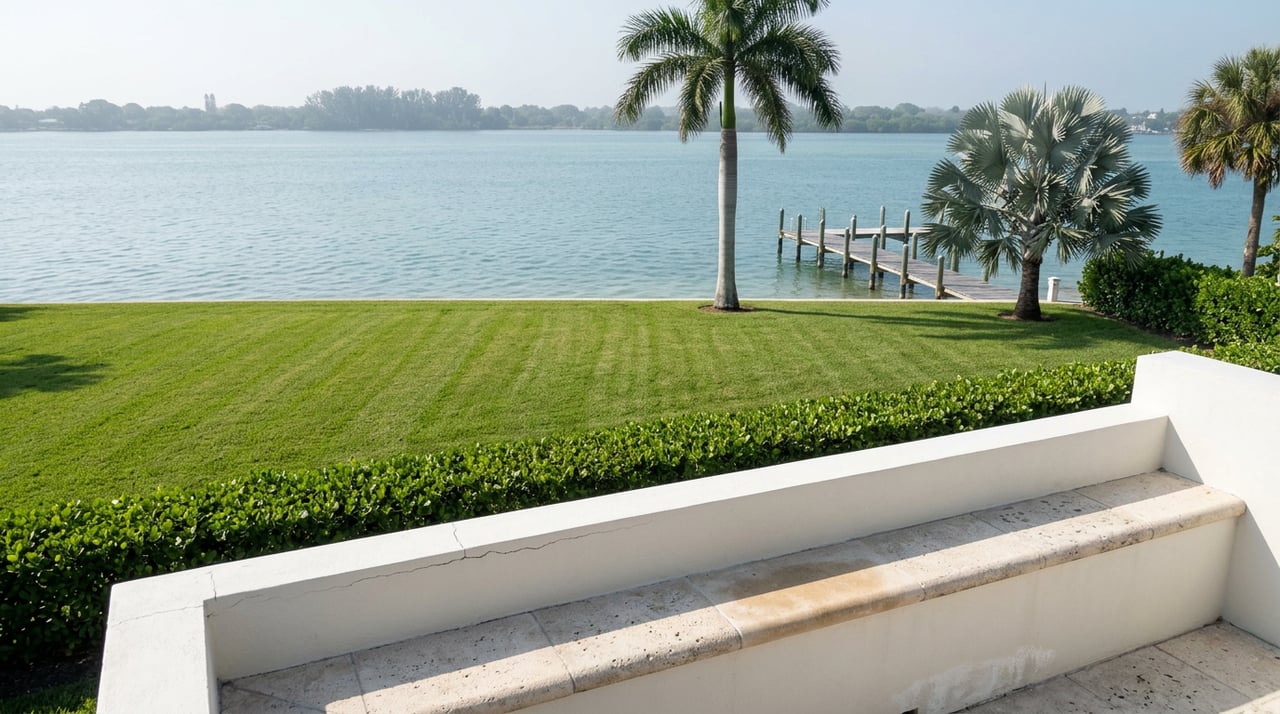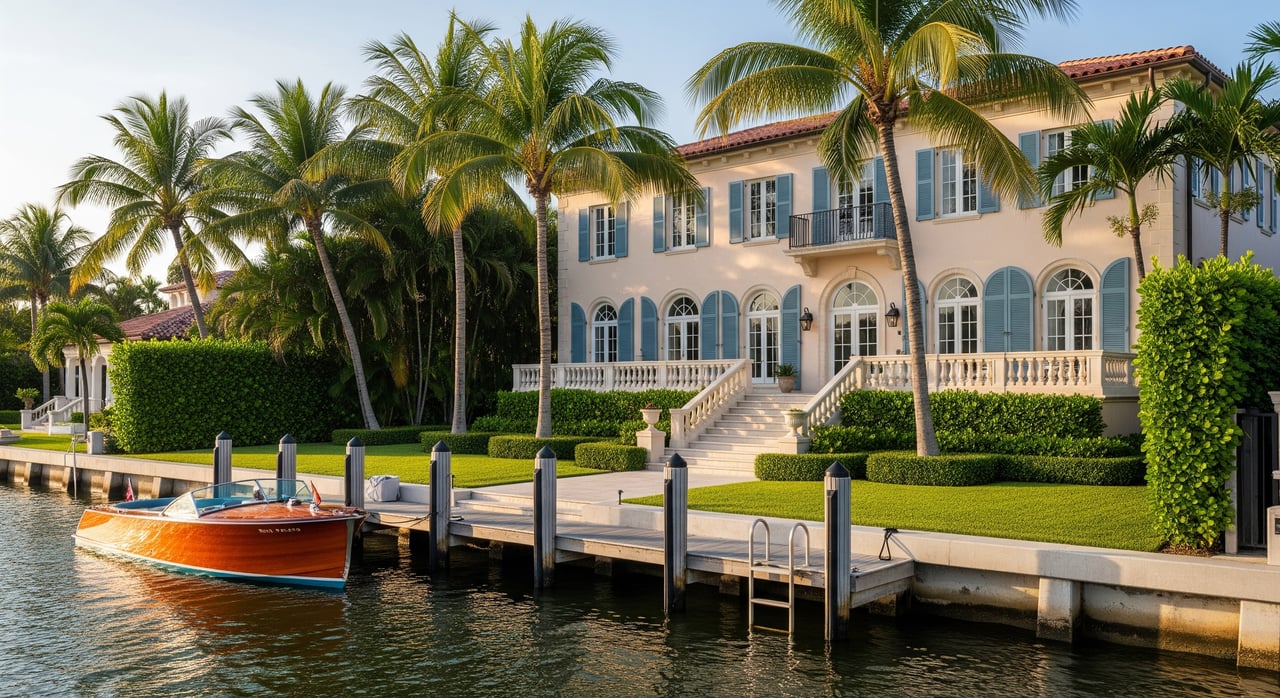
Thinking about a Palm Beach waterfront home where you can step onto your dock and be on the Intracoastal in minutes? If so, riparian rights will shape what you can build, where you can moor, and how you access the water. The rules are clear but layered, and they vary by site. This guide explains the essentials so you can evaluate a property with confidence and plan improvements without surprises. Let’s dive in.
Florida riparian rights basics
Riparian rights are the rights that come with owning land next to a waterbody. In Florida, you typically have the right to reasonable access and use of the water, and to build reasonable structures that reach navigable water. These rights travel with the land. They are powerful but not unlimited.
Florida holds title to most submerged lands waterward of the mean high water line. That means docks, pilings, lifts, and moorings that extend over those waters are subject to state control and public trust protections. You may need authorizations even if the upland is yours and even if neighbors have similar structures.
The practical takeaway is simple. Riparian rights allow access and reasonable use, but they do not guarantee a dock, dredging, or long-term mooring. Most changes require permits and sometimes leases or easements.
Who regulates waterfront work
On the Intracoastal at Palm Beach, approvals typically involve more than one agency. Expect coordination among federal, state, and local regulators, plus any private restrictions.
- Federal: The U.S. Army Corps of Engineers regulates structures and work in navigable waters and dredge and fill activities. Reviews can include consultations with NOAA Fisheries and the U.S. Fish and Wildlife Service when protected species or essential habitats are involved.
- State: The Florida Department of Environmental Protection authorizes activities on sovereign submerged lands and enforces state coastal programs. The Florida Fish and Wildlife Conservation Commission sets manatee protection conditions and other in-water work practices. The South Florida Water Management District may be involved if wetlands or water control structures are affected.
- Local: The Town of Palm Beach handles municipal building permits, zoning, setbacks, and marine-structure rules. Palm Beach County Environmental Resources Management may have jurisdiction in some cases outside municipal limits or where programs overlap. Navigation authorities, such as the Florida Inland Navigation District, can influence channel encroachments.
- Private: Deed restrictions, HOA covenants, and the rights of adjacent riparian owners can affect what is feasible.
The practical outcome is a multi-agency process. A dock or mooring change usually requires local permits, state submerged-land authorization, and often federal review. Environmental conditions, like seagrass or manatee protections, are common.
North End realities to expect
If you are considering a North End Intracoastal property, plan for careful design and sequencing. Water depth, the mean high water line, channel locations, and seagrass presence are frequent drivers of what is allowed.
- Navigation constraints: Proximity to federal channels and required setbacks can limit how far a dock extends or where a mooring pile goes.
- Environmental protections: Seagrass beds, manatee zones, and other sensitive habitats can trigger avoidance, minimization, and mitigation requirements.
- Title and authorizations: If an existing structure extends over sovereign submerged lands, a state lease or easement may already exist and may transfer. Without one, new authorization may be needed.
Common projects and constraints
Private docks and finger piers
Docks typically require municipal permits and state authorization when they extend waterward of the mean high water line. Federal involvement depends on location and impacts. Local codes set length, height, and side setbacks. Sightlines, neighbor access, and navigation safety are considered.
Bottom line: An existing dock may be compliant for its current form yet still need new approvals for even a modest extension.
Boatlifts and davits
Boatlifts are treated as in-water structures and require permits similar to docks. Pilings and lift cradles can affect seagrass and benthic habitat. Conditions or mitigation may be required to avoid or offset impacts.
Tip: If you plan to lift a larger vessel, verify lift dimensions, berth depth, and proximity to channels early in design.
Mooring piles and private moorings
Mooring piles are often allowed as part of a dock system. Standalone mooring buoys or long-term anchored vessels can be limited, especially near channels or in managed areas. Where a mooring field exists or local rules restrict mooring, long-term mooring in front of a residence may not be allowed.
Dock extensions and enlargements
Extending farther waterward or increasing footprint usually triggers new state and possibly federal permits. A dock that was previously permitted or grandfathered is not automatically expandable.
Dredging for access
Private dredging is tightly regulated and often expensive. To connect to a maintained channel or gain depth for a larger boat, you will typically need state and federal permits, environmental review, and sometimes mitigation for seagrass loss. Many projects see long timelines relative to other improvements.
Guidance: Consider vessel selection, lift design, and dock placement before assuming dredging is the solution.
Seawalls and shoreline work
Seawall repairs and replacements usually go through municipal permitting and may require state review if work affects sovereign submerged lands or adjacent habitat. Replacements in the same footprint can be simpler than new walls but are still regulated.
Environmental protections
Conditions to protect manatees and sensitive habitats are common. You may see work windows, speed restrictions for construction vessels, and requirements to avoid, minimize, or mitigate impacts to seagrass and fish habitat.
Submerged-land leases and fees
If a structure occupies sovereign submerged lands waterward of the mean high water line, a lease or easement from the state may be required and could involve rent or mitigation. Existing authorizations may transfer with the property. Confirm status and any fee exposure during due diligence.
Due diligence checklist for buyers
Use this checklist during contract and inspection periods to gauge feasibility, cost exposure, and timing. Coordinate early with counsel, a marine contractor, and a coastal surveyor.
Title and recorded documents
- Review title for recorded riparian rights, submerged-land leases or easements, and any recorded permits for docks and seawalls.
- Request all seller-held marine permits and any state or federal authorizations.
Certified survey and mean high water line
- Order a current survey that shows the mean high water line, the seawall location, existing structures, and side setbacks.
Permit history and compliance
- Collect municipal, county, state, and federal permits for existing structures. Confirm the work was completed as permitted and that authorizations are current and transferable.
- Verify if any structures are grandfathered and whether prior permits limit changes.
Environmental conditions
- Ask about seagrass presence, previous observations of protected species, and past dredging. Engage an environmental consultant or marine contractor to survey potential impacts.
Navigation and channel constraints
- Review federal and local charts for channel locations and controlling depths. Confirm that proposed structures do not encroach into channel setbacks.
Permitting feasibility study
- Have a marine contractor or coastal engineer outline what is likely to be permitted, a realistic review timeline, and a range of costs, including any mitigation.
Lease and fee exposure
- Determine whether a state submerged-land lease or easement is required and whether any rent or back fees could transfer at closing.
Insurance and maintenance
- Confirm insurance requirements for docks and lifts. If within an HOA or shared system, clarify maintenance responsibilities.
HOA and neighbor coordination
- Review covenants and any neighbor consent requirements for specific placements or pile locations.
Timeline expectations
- Discuss expected review durations across agencies and build contingencies into your contract. Multi-agency reviews can take several months, and complex projects may take longer.
How to plan your project
A successful plan starts with site data. Depths, seagrass, channel distances, and the mean high water line inform what is feasible. Next, align vessel needs with realistic design. For example, a lift and a modest finger pier can sometimes achieve the same functional goal as a longer dock.
Sequence your approvals. Start with a zoning and code check at the Town of Palm Beach, then coordinate state authorization for submerged lands, and determine whether federal review is triggered by location or habitat. Build in time for environmental coordination and potential mitigation.
Budget with ranges. Construction and permitting costs vary by design, material, and environmental conditions. A feasibility study will help you set a sensible range before you commit to a plan.
Protect your position in the contract
If water access is essential to your purchase, make it a formal part of your due diligence. Consider these steps during escrow:
- Make waterfront-permitting feasibility an express contingency.
- Require delivery of all existing permits and authorizations within a defined period.
- Order the updated boundary and mean high water line survey early.
- Engage a marine contractor to produce a written feasibility and timeline estimate.
- Ask counsel to review riparian rights, recorded restrictions, and any state leases or fees that could transfer.
These steps help you avoid surprises and give you levers to adjust timelines or terms if approvals prove more complex than expected.
What this means for you
Riparian rights in Palm Beach are valuable and usable, but they operate within a structured regulatory framework. With the right planning, you can enjoy reliable water access that fits your property and your vessel. The key is to verify existing authorizations, understand the mean high water line and channel constraints, and coordinate early with the Town of Palm Beach, state agencies, and qualified marine professionals.
If you want a second opinion on a specific property, or you need introductions to trusted marine contractors, surveyors, or waterfront counsel, we can help you navigate the process with discretion and efficiency.
Ready to evaluate a Palm Beach waterfront home with confidence? Connect with Elizabeth DeWoody for private advisory, market insight, and a clear plan from offer through permitting.
FAQs
What are riparian rights for Palm Beach buyers?
- In Florida, riparian rights give you reasonable access and use of the water, but docks, lifts, and similar structures usually require municipal permits and state authorization, and sometimes federal review.
Who owns the seabed in front of my property?
- The State of Florida typically owns submerged lands waterward of the mean high water line, and your use of those waters is regulated under the public trust.
Can I build or extend a dock on the Intracoastal?
- Many owners can, but you will need local permits and state authorization, and you must meet design limits, setbacks, and environmental conditions; expansions often trigger new approvals.
Can I dredge for deeper water access?
- It is possible in limited cases but is highly regulated, often costly, and may require mitigation for seagrass; expect longer review timelines than standard dock work.
Will I need a state lease for my dock or lift?
- If the structure occupies sovereign submerged lands waterward of mean high water, the state may require a lease or easement and could charge rent or fees; confirm status during due diligence.
How long does permitting usually take?
- Timelines vary by project; simple local permits can be faster, while multi-agency reviews with environmental coordination often take several months and sometimes longer.